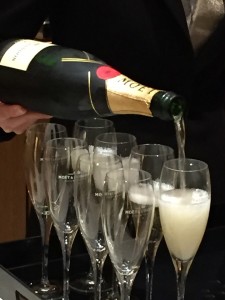
On my last visit to Paris, I spent the day in the Loire Valley in the midst of wine & castles so this time I wanted to see the Avenue of Champagne in Epernay, more specifically, I wanted to visit for the Moet & Chandon Cellar Tour and experience the champagne. There are two ways to visit Epernay from Paris – one is by guided day tour (expensive – over €200 pp), the other is my do it yourself (DIY) version for under €100 pp.
Moet & Chandon Cellar Tour – Reservations Required
If you want to visit the Moet & Chandon cellar tour in Epernay on your own, you need a reservation in advance. Go to their website to request a date and time. You will receive a reply in a few days (make sure to double-check the date/time as my first confirmation was wrong) with a reservation number. When you arrive you need the reservation number and then you will be asked what type of tasting you want with the tour (each tasting type is a different cost).
The Avenue of Champagne in Epernay
The Moet & Chandon location is easy to find on the Avenue of Champagne across from the Tourism office. From the train station walk straight, crossing the street into the park and then at the exit to the street, the tourism office is on your right while Moet & Chandon is across the road in front of you.
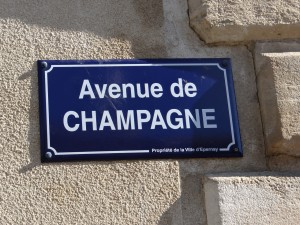
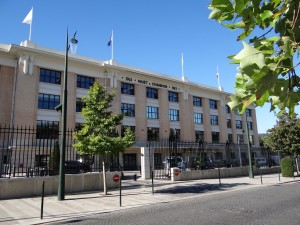
Lining the Avenue of Champagne are many champagne houses, some that you’ve heard of and many others that you haven’t. A few offer tasting rooms or outdoor patio spaces while Perrier Jouet is not open to the public.
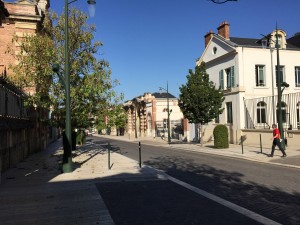
It can only be labeled “champagne” if it comes from this region of France. They are quite strict with the name “champagne”. In other countries, their sparkling wine is “Cava” in Spain and “Prosecco” in Italy. All sparkling wines.
The Moet & Chandon Cellar Tour
Arriving at the main entrance there is a guard to check bags in front of the Moet & Chandon store (our last stop on the tour, lest anyone leave without a gift shop stop) and direct you to the reservations desk. Walking up a few stairs into a new building, you are instantly surrounded by what looks and feels like a luxury hotel lobby in white.
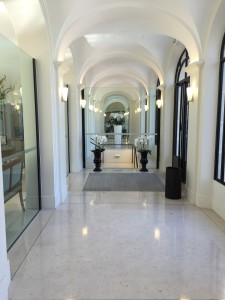
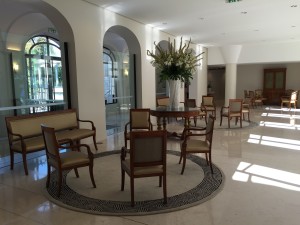
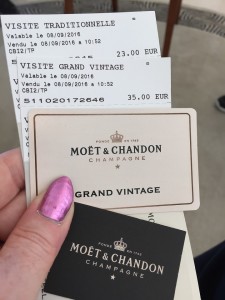
Approaching the front desk in the corner to check in, I provided our reservation number and chose our tasting package. The main tour with one tasting is €23, two tastings €28 and the vintage tasting €35. Children under 17 (no sips allowed) are €10 for the tour. Mom isn’t normally a drinker and her champagne exposure has been at a few weddings over the years (and that wasn’t the good stuff) so we picked the regular tasting for her while I chose the vintage option.
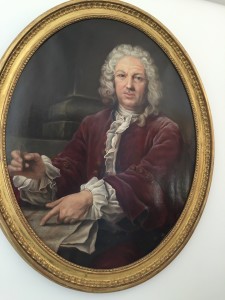
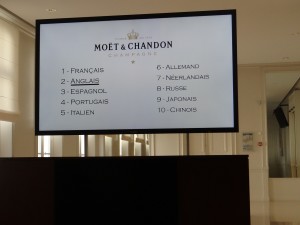
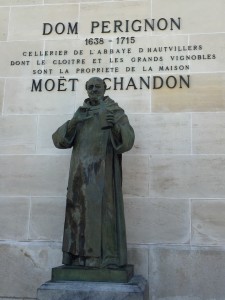
Our guide arrived and our small party of ten followed her in the house to see portraits of the men who would start Moet & Chandon, the monk who inspired Dom Perignon label and then led to a room to watch a video presentation (offered in many languages). Once the video ended we would descend the stairs to begin the cellar tour (bring a sweater/cardigan/scarf as it is a bit chilly underground – the guide wore a coat).
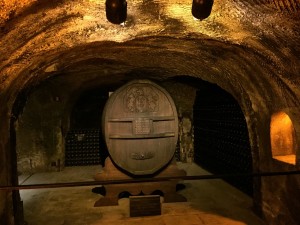
We would wander the stone halls (or streets with numbered caves) learning about the labor intensive process for the champagne to mature over many years and how the bottles are stores, stacked, moved and eventually become bottles of Moet & Chandon or Dom Perignon that is sold in stores around the world for people to enjoy and celebrate special occasions.
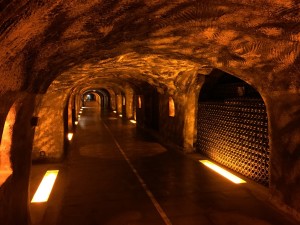
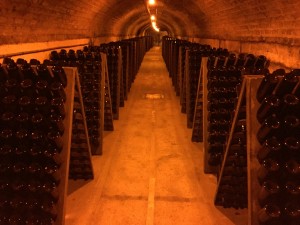
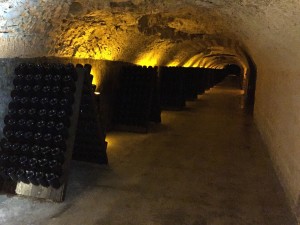
I’ve visited many wineries and cellars around the world including the Moet & Chandon location in the Yarra Valley of Australia but this cellar in Epernay was so unique because of its history (270 years young) and winding streets of nearly 17 miles of tunnels underground!
Moet & Chandon – Champagne Surprises
One surprising fact is that the bottles are moved by card and loaded by hand. Many modern wineries will have forklifts or other machinery to turn the bottles as I saw in Spain at the Bertha Cava winery. The Moet & Chandon process is quite labor intensive.
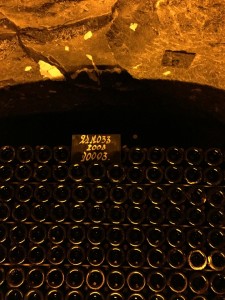
Another surprise was finding out that the champagne is made with a variety of grapes grown in the region from producers – M&C don’t own their vines or the grapes. So each year the grapes arrive the folks need to try to replicate a taste that the consumer is familiar with. Think how difficult that must be with the mix of grapes that through the season of nature’s sun and rain produce a different flavor each time. The team at Moet & Chandon Epernay need to get the right blend and ingredients sorted to keep the product consistent. They blend the Pinot Noir, Pinot Meunier and Chardonnay grapes to create their many varieties of Champagne – Imperial, Rose, Ice and others.
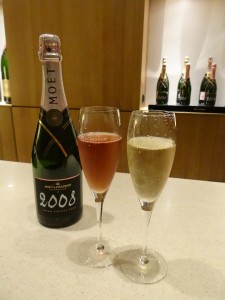
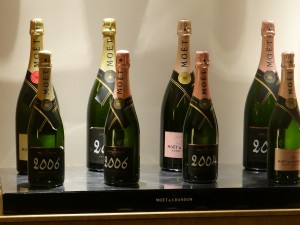
Vintage means it is uniquely original and the cellar maker’s interpretation of that year’s harvest. The 2008 Rose that I would taste had been aged for 7 years.
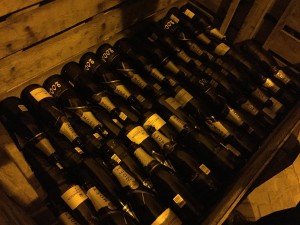
There is a lot of recycling when making wine and champagne. The final bottle you buy is not the same bottle that went through the aging process. So on the tour we walked through a room of glass bottles.
Luxury Champagne Dom Perignon
The monk that has a champagne after himself gets special treatment in the hallway of the cellar. The caves are reserved for quantity of champagne and Dom is produced in small batches which is why it is so expensive. The process to go from grape to Dom takes more than ten years! While most champagnes are ready to drink when purchased, a bottle of Dom Perignon can be stored and enjoyed years after purchase (if you have the willpower to wait).
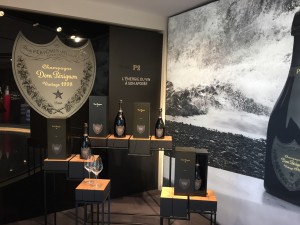
Moet & Chandon Tasting Room
As dark as the prior room was with the recycled bottles and the tunnels were lowly lit, opening the tasting room door and you are awash in light – bright light – so much light that when your eyes adjust you see that champagne is being poured waiting for your group to taste Moet & Chandon.
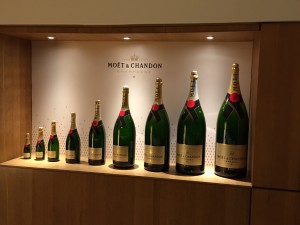
The transition from dark to light alerts all of your senses so I think (but don’t scientifically know) it makes the tasting that much tastier. Watching the pour, set the anticipation factor on high with no fanfare, we handed our tickets to exchange for our champagne glass(es).
[embedyt] http://www.youtube.com/watch?v=HRRpXP1XGSE[/embedyt]
Our little group kept to themselves so Mom and I toasted our last day in Paris. As Mom rarely drinks alcohol, the Imperial champagne took time to get used to for her (at first – see the Concorde Room Review for more on this). I had no problem with my 2008 Vintage glasses, preferring the rose over the brut. Mom tried both of mine and agreed that the rose was nicer.
Moet & Chandon Gift Shop
Of course, no tour is complete without the gift shop visit except this is Moet & Chandon so the gift shop is a luxury experience, one that almost guaranteed I would be making a purchase. Filled with a variety of champagne in all types and sizes as well as clothing and accessories, temptation abounded.
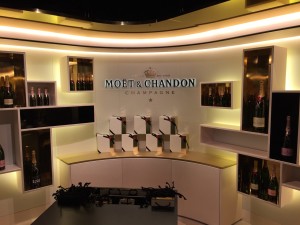
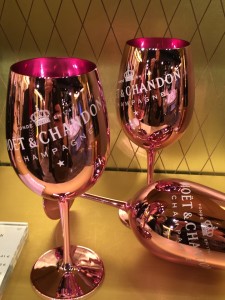
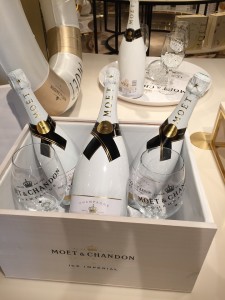
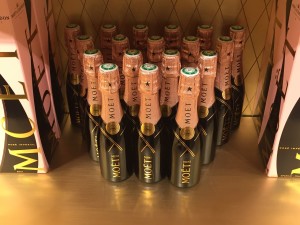
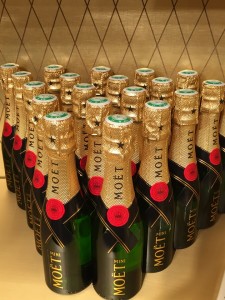
Since we had to travel the next day on Eurostar to London, we didn’t want to carry large bottles so bought the cute little bottles of the rose champagne to give as gifts. They cost €16 for each mini bottle. We mentioned traveling so each bottle was bubble wrapped and then put into our bag. This was good (easy to pack, safe from breakage) and bad (we couldn’t drink them now).
Final Tasting Notes – Moet & Chandon Cellar Tour
Even if you aren’t quite the champagne fan like Mom (I’d argue it’s because you haven’t been drinking champagne at all), the Moet & Chandon Cellar tour in Epernay is a fun day trip outside of Paris (one hour by train approx. €50 return per person) to experience the uniqueness of this town (which is easily walkable or you can take the little tourist train for a tour). Mom enjoyed learning about the champagne process, seeing the history underground and trying her first glass of Moet & Chandon. The Moet & Chandon cellar tour is a wonderful introduction to champagne and its storied history in France.

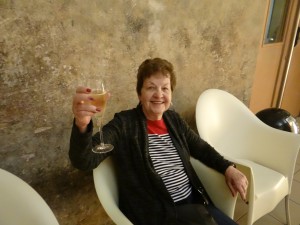
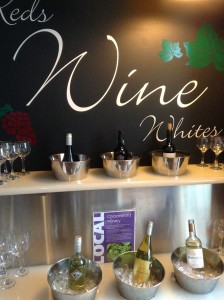
The Commonwealth (because we are technically not a state although we say “State of PA” often) of Pennsylvania controls all alcohol, yes, all of it via the Liquor Control Board (LCB). The LCB regulates happy hour rules/prices, charges a fortune for liquor licenses (which is why Philly has over 200 BYOBs) and is the largest purchaser of wine (which keeps prices pretty low based on bulk buying) . If you ever see me (or other people) gawking at the ease of buying liquor in the corner store, supermarket or Costco you can guess we are from Pennsylvania. There is no Two Buck Chuck at Trader’s Joes, no wine at Costco (let me repeat, I go to Costco and there is no wine!) and forget the supermarket (that would be too easy to have it all in one place although some markets can now sell beer.). To make it even more complicated:
Wine & Liquor
- Wine and Liquor is only available at the Pennsylvania Wine & Spirits Store – staffed by government employees and owned by the state. The stores are few and far between, not consistent in the products and a few are closed on Sundays. Football Sunday needs advanced planning.
- There are a few specialty deemed premium wine stores that have a better wine selection – it has definitely gotten better over the years but the choices are still limited
Beer take-away depends on the size
- Six Packs are only available at restaurants, bars and licensed package shops. A recent state amendment has expanded to supermarkets. You can only buy two 6 packs at a time (or go out to your car and come back in) or one 12 pack. Individual bottles and cans can be sold for takeout.
- A case of beer or a keg is only available at a beer distributor – you can’t get six packs here. Beer Distributors sell beer, soda and water by the case.
When I have parties, I need to go to at least three stores to set up the bar – beer distributor, wine & liquor store and the supermarket for ice. If I’m like the typical resident, I will break the law and drive to a neighboring state (New Jersey or Delaware) to find wine nirvana at Moore Brothers (they have bespoke options) or Total Wine (a superstore)- there’s a reason the larger liquor stores are just over the state line or bridge – check out the license plates in the parking lot, pretty sure there is a high concentration of Pennsylvania plates.
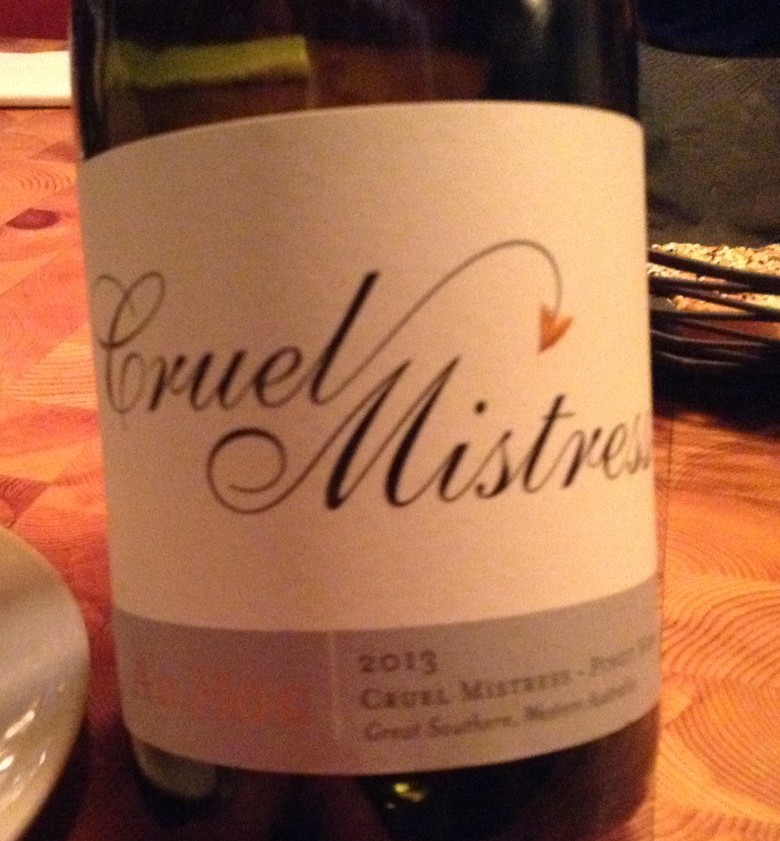
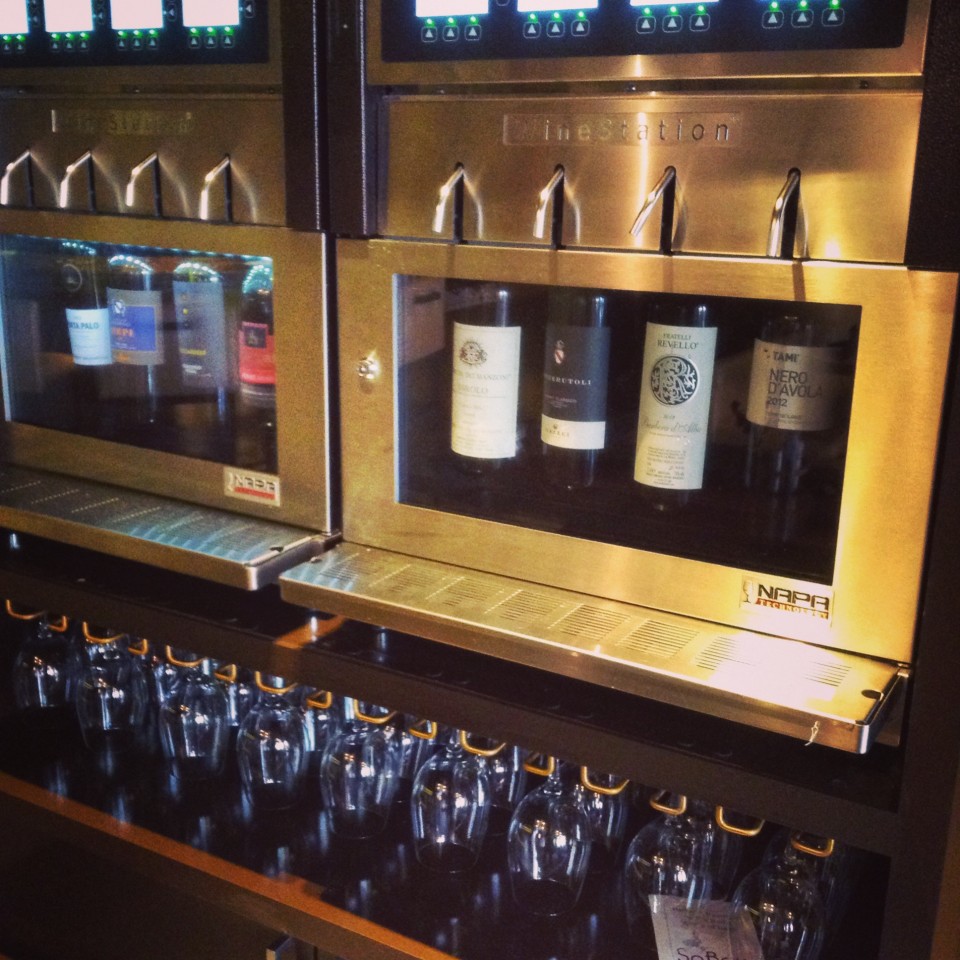
So maybe you don’t feel my pain thinking “I’m sure not all the wine is bad” and you would be correct, there are definitely good options if you look and are willing to pay a premium for a bottle. Let me give you a recent example that will make any wine lover shudder – returning from Australia (Yarra Valley visit), I visited the downtown location of the Wine & Spirits Shop and walked to the “Australia” aisle. My gasp was audible – the entire aisle was full of Yellow Tail and that was all. I had to ask for help and was directed to a small shelf in the premium area for Australia options. Ok, yes, I know I’m being a bit of a wine snob but there are so many great Australian options from the Yarra Valley, Hunter Valley and Margaret River and my options were limited to maybe ten bottles (I didn’t count as I was in a bit of shock).
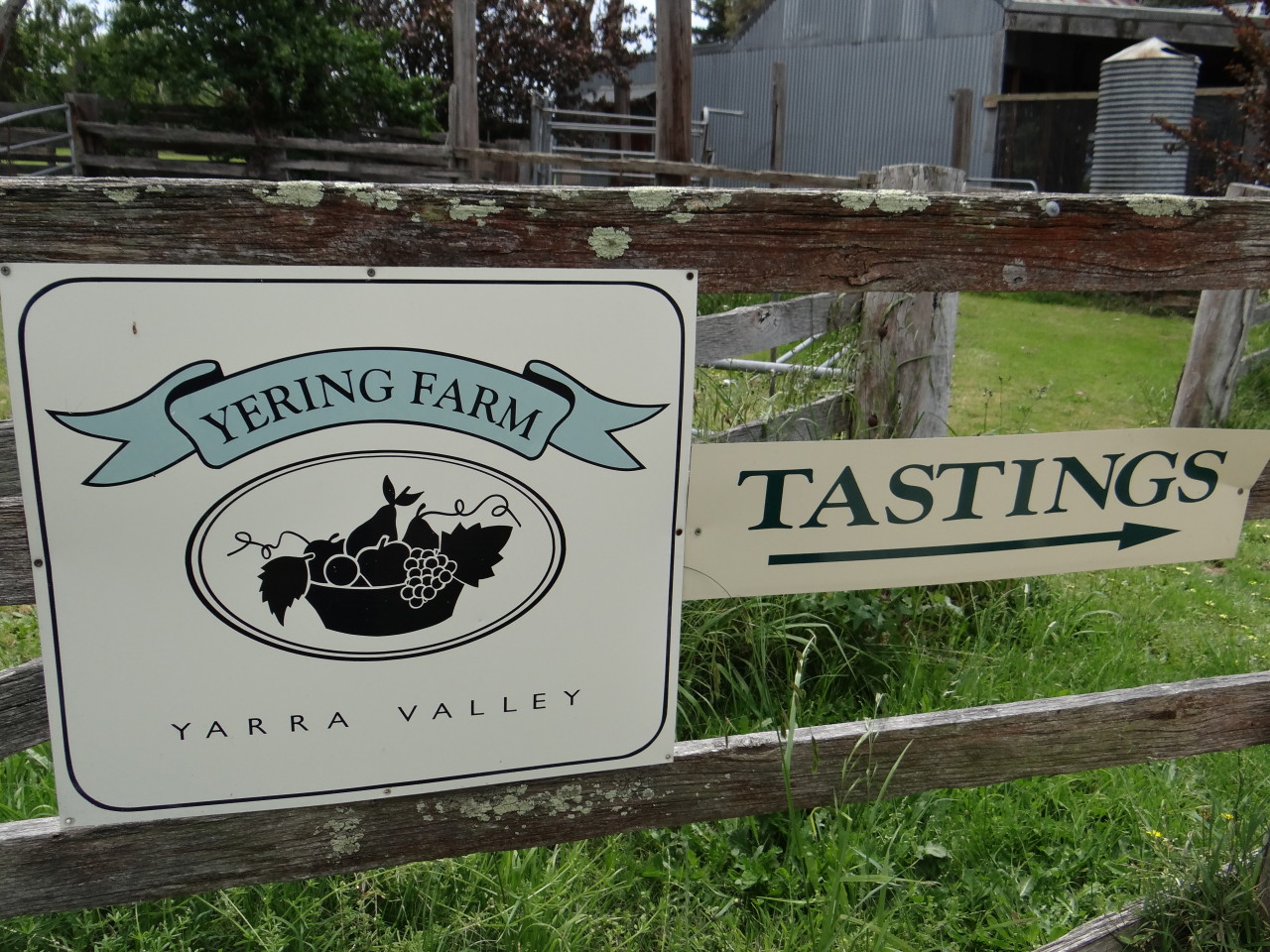
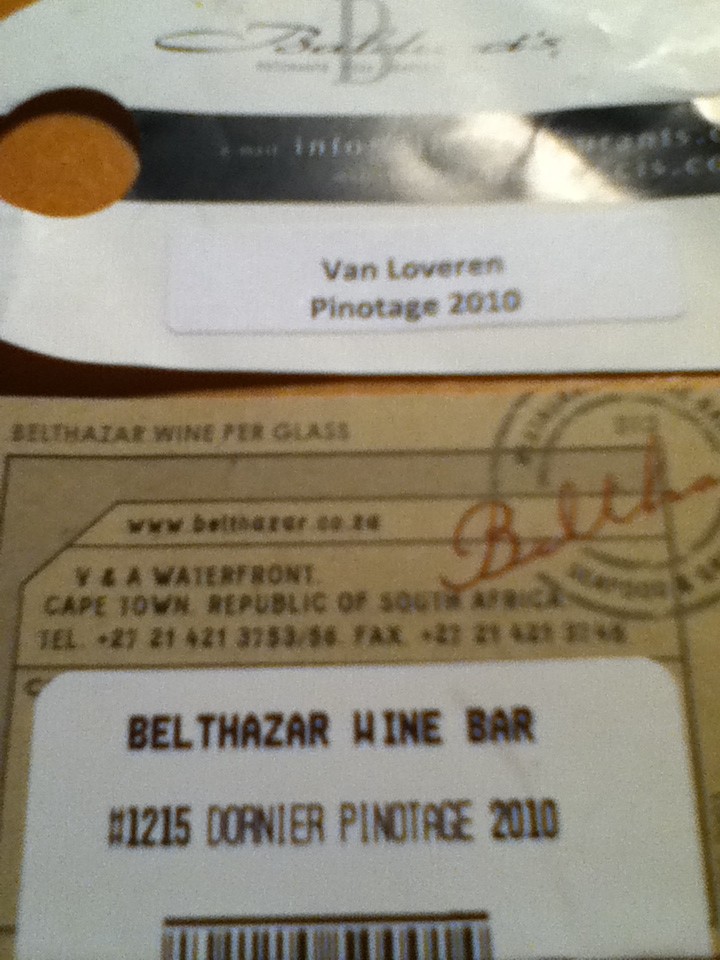
In the past few years, I’ve biked the vineyards of Chile for Carmenere, visited the many wine regions of Australia, marveled at the beauty of the two regions of South Africa’s vineyards and many others over the years. It is wrong to want to relive those wonderful wines here at home? Sadly, the politics, state union jobs and money continue to make this a huge issue – there are many screaming to sell the licenses to private companies to give residents more choice and convenience as well as additional revenue to the state. Others lament the loss of union jobs, control and the high cost of the licenses (out of reach of small business owners), higher prices and rise of societal problems. The saga of privatizing has gone on for years and no end is in sight so residents will continue to be law breakers in search of good choices such as the local attorney charged with selling high end wine (97 pages of wine not available in Pennsylvania!).
Now, when I travel, wine tasting means so much more, it means I need to savor the wine since I won’t be able to ship it home. I take pictures of the wine, the bottles, the names to remember in case I ever see those bottles again. I drink the local wine on the plane for me, it’s a treat. I buy the wine kiosk card on the Celebrity cruise to sample the wines I’ve heard of but we don’t have in Pennsylvania.
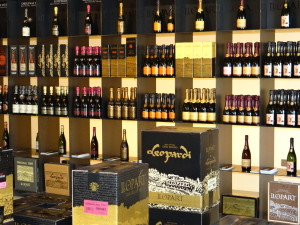
Luckily, the rise of wine bars like Tria and the explosion of craft brewers (see Philly Beer Week) in the Philadelphia area are helping one glass/growler at a time making memorable meals, now if I could only buy that bottle when I travel and ship it home (without being a criminal!)
]]>
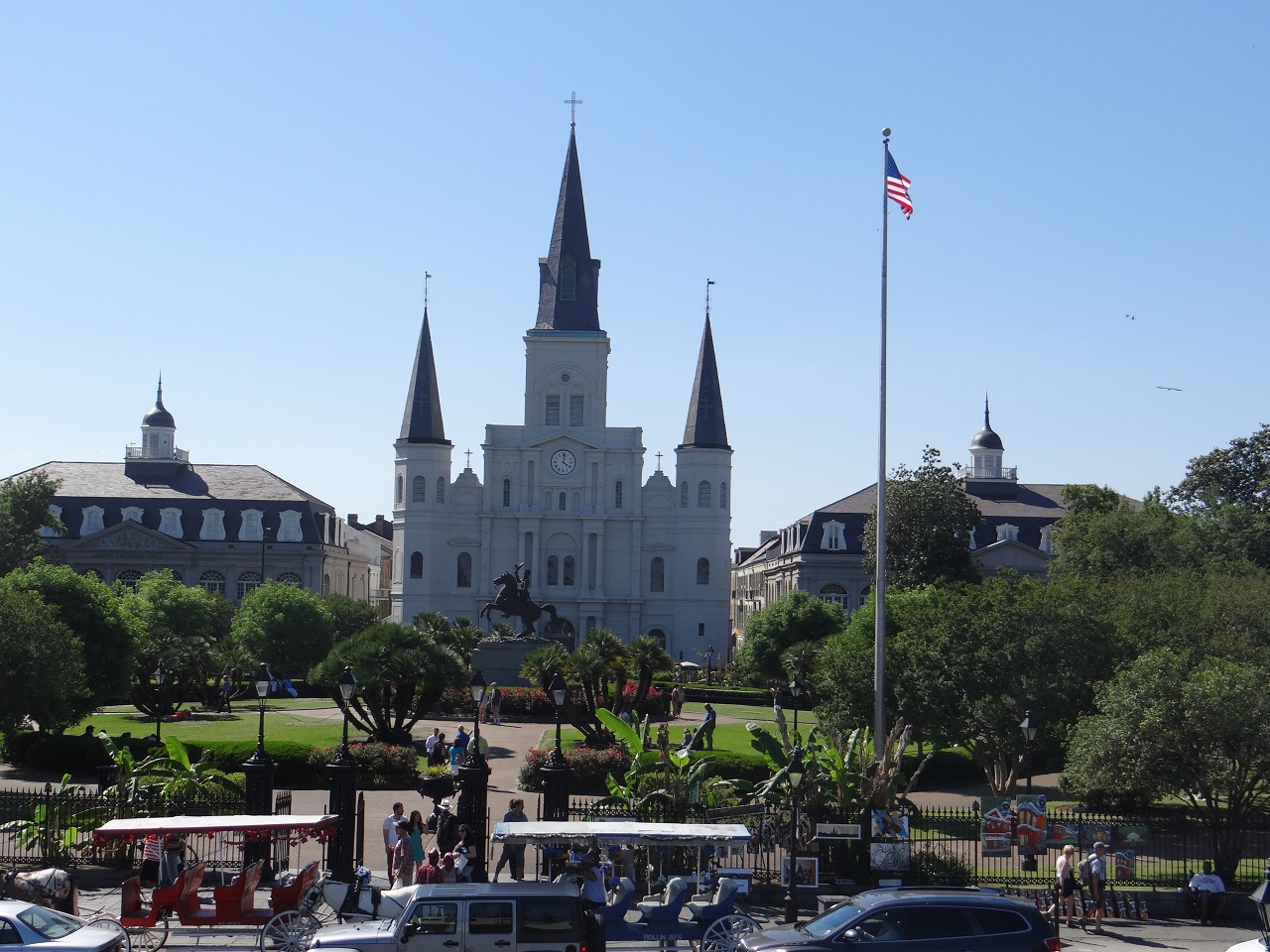
Breakfast in the French Quarter
The hotel breakfast at SoBou was ok but I hate spending over $20 for breakfast when I don’t need to (yes, even on an expense account) so I asked for suggestions.
For pancakes I was directed five blocks to Stanley and at 8am it was quiet inside but noisy outside (the street crew was still cleaning up last night’s fun) near the Cathedral. My blueberry pancakes were quite satisfying to fill me for the conference day I had ahead of me.


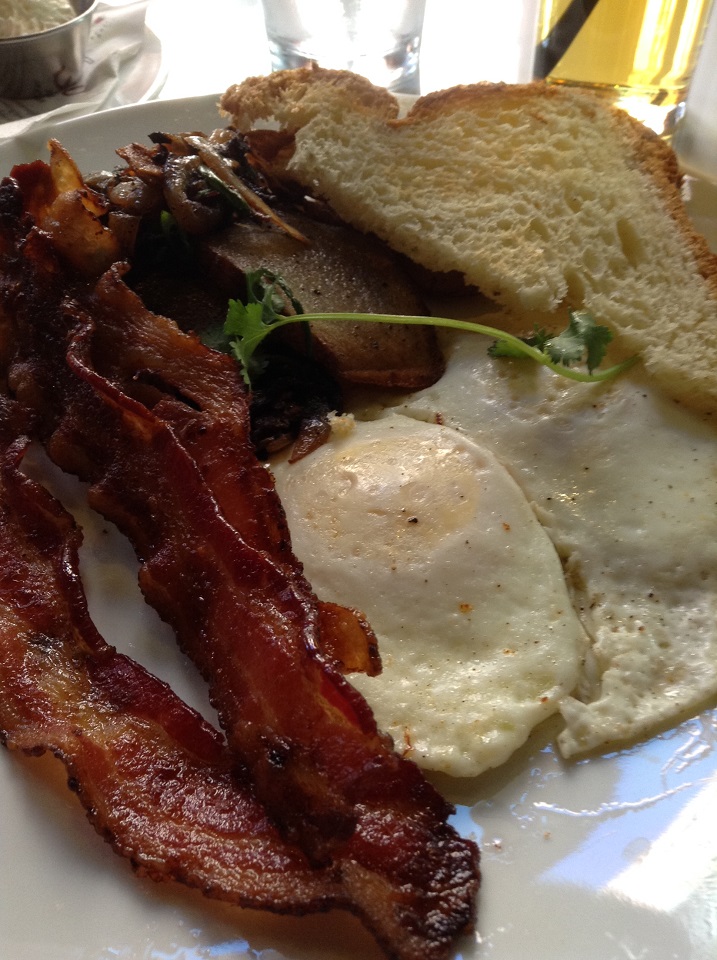
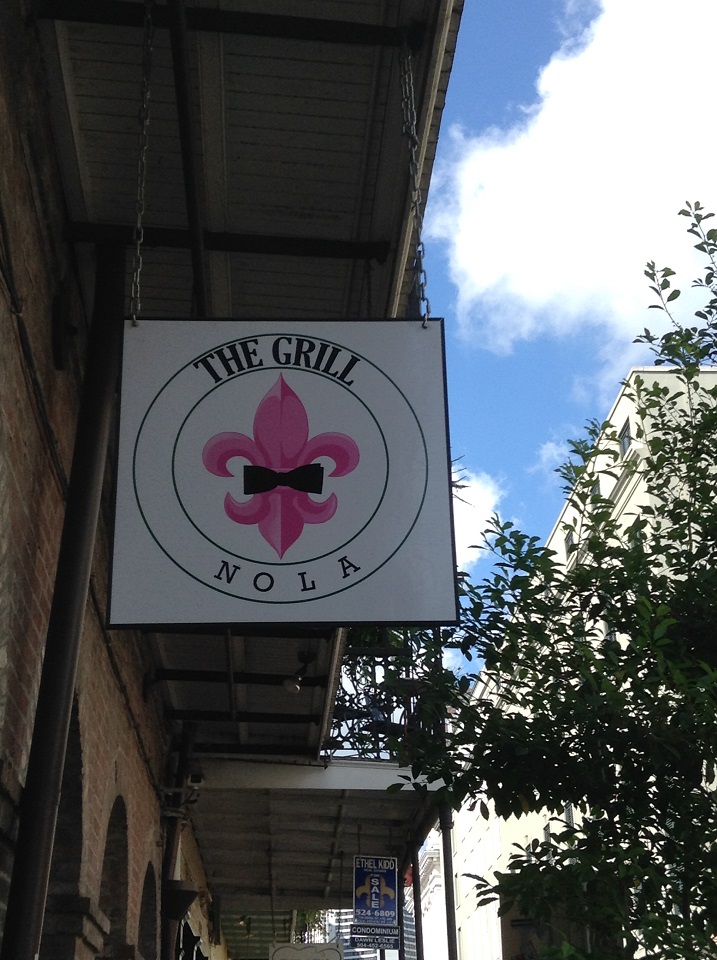
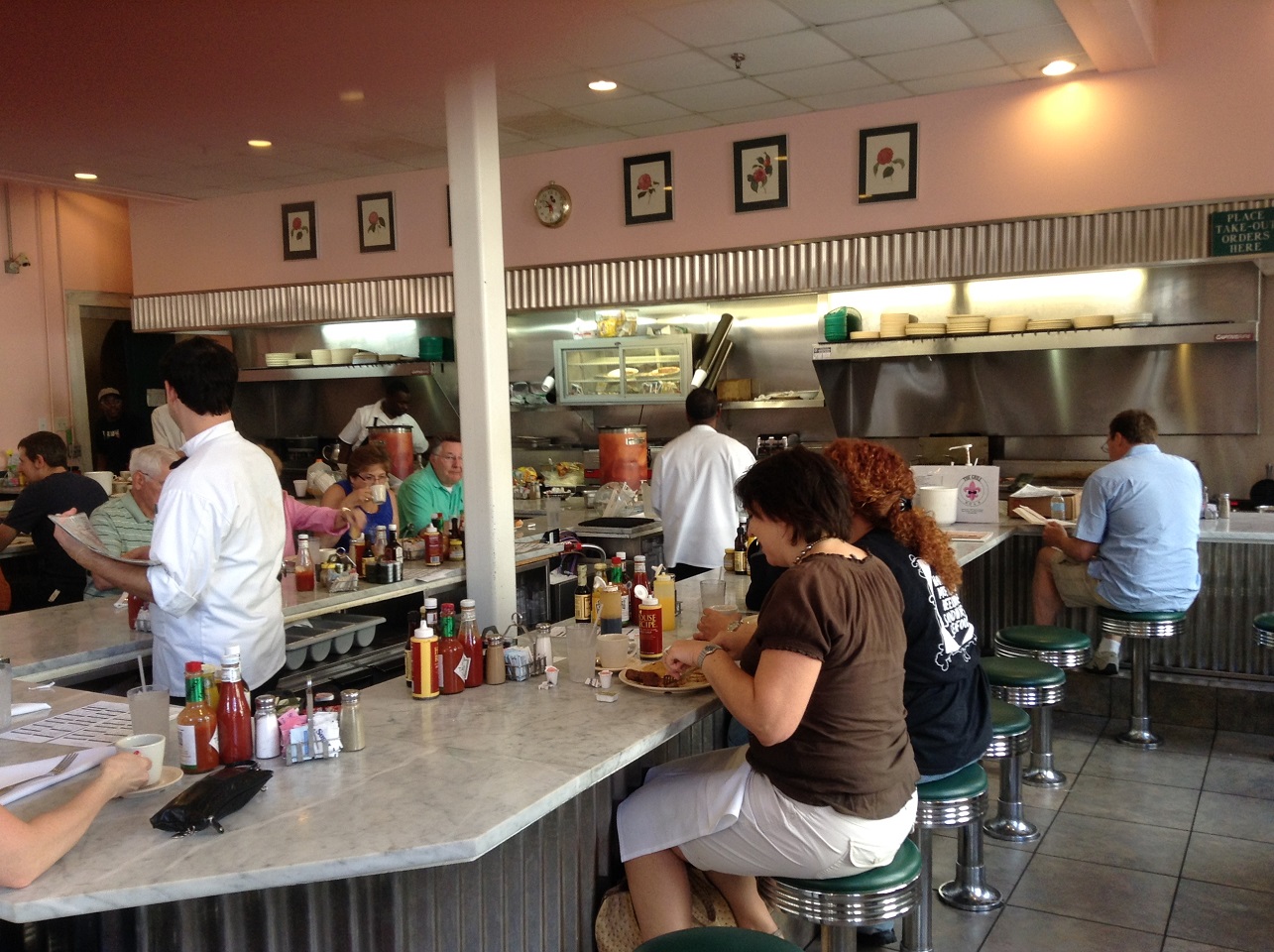
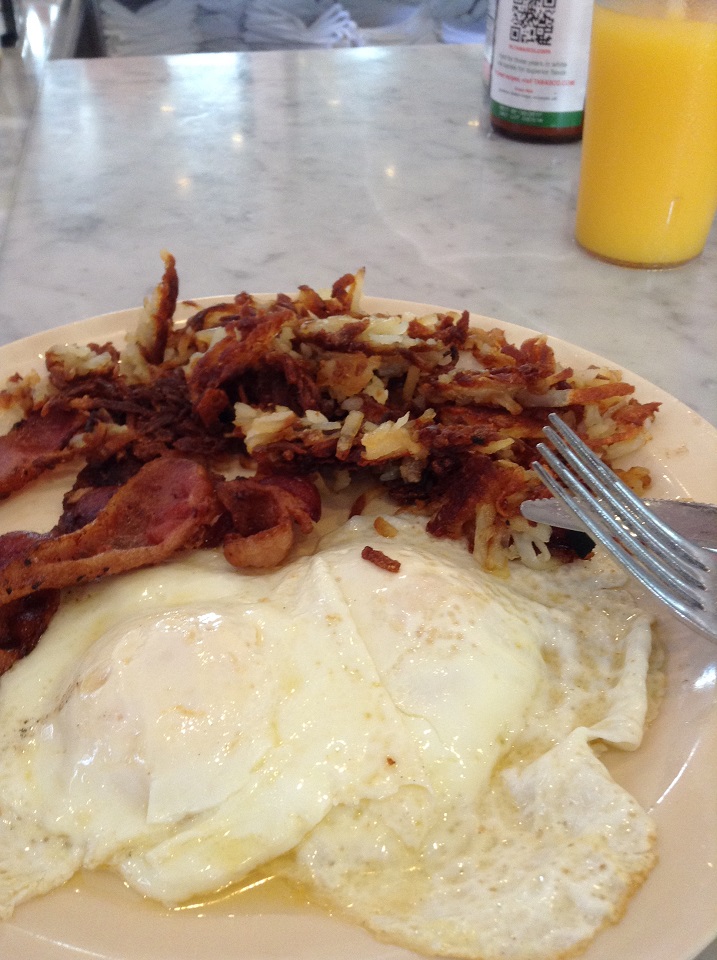
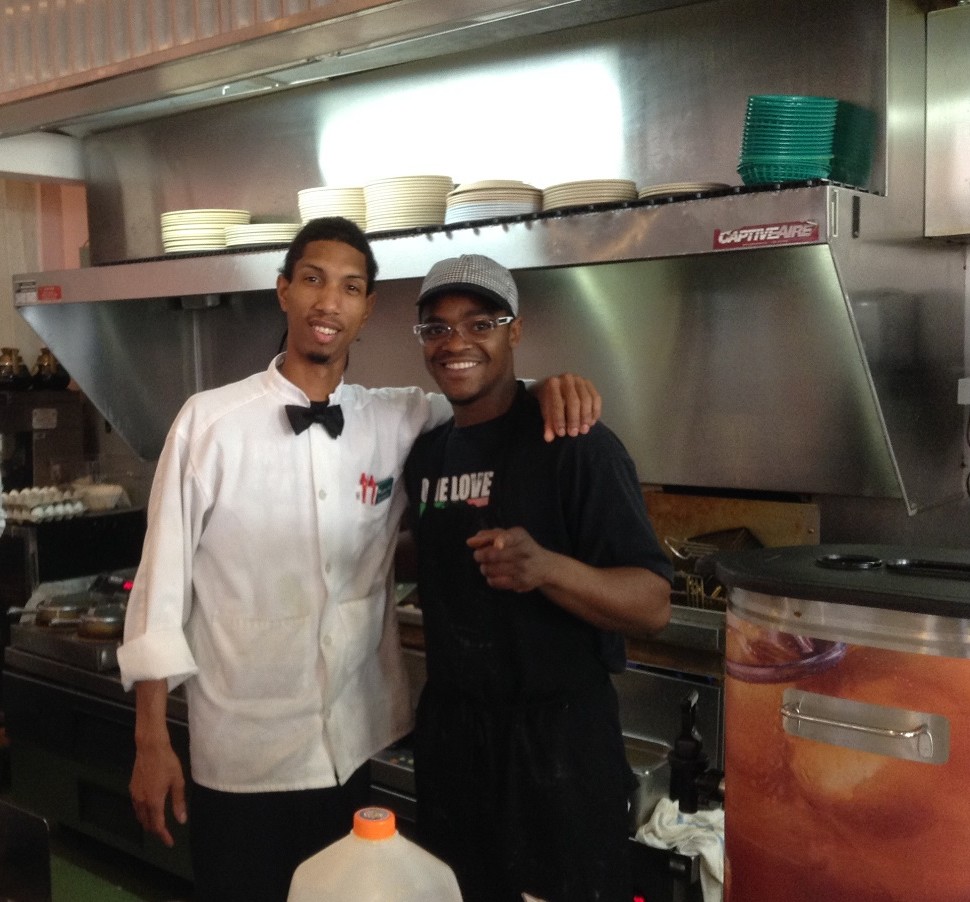
The next day, I walked two blocks to The Grill, a classic diner opened in 1946 with counter service. I chose an open seat next to a group hoping to chat but my German is not that good so I ate in silence enjoying the people watching. My egg platter which included bacon, home fries and toast along with orange juice cost $10.13 (a great deal!), I tipped $3 (I used to waitress so even if not on expense account, I would still tip this). This was my kind of breakfast place, I returned the next day, picked a different seat and the waiter laughed (same waiter as the day before) because not only had he moved sections but I sat next to the same German group.
Lunch in New Orleans
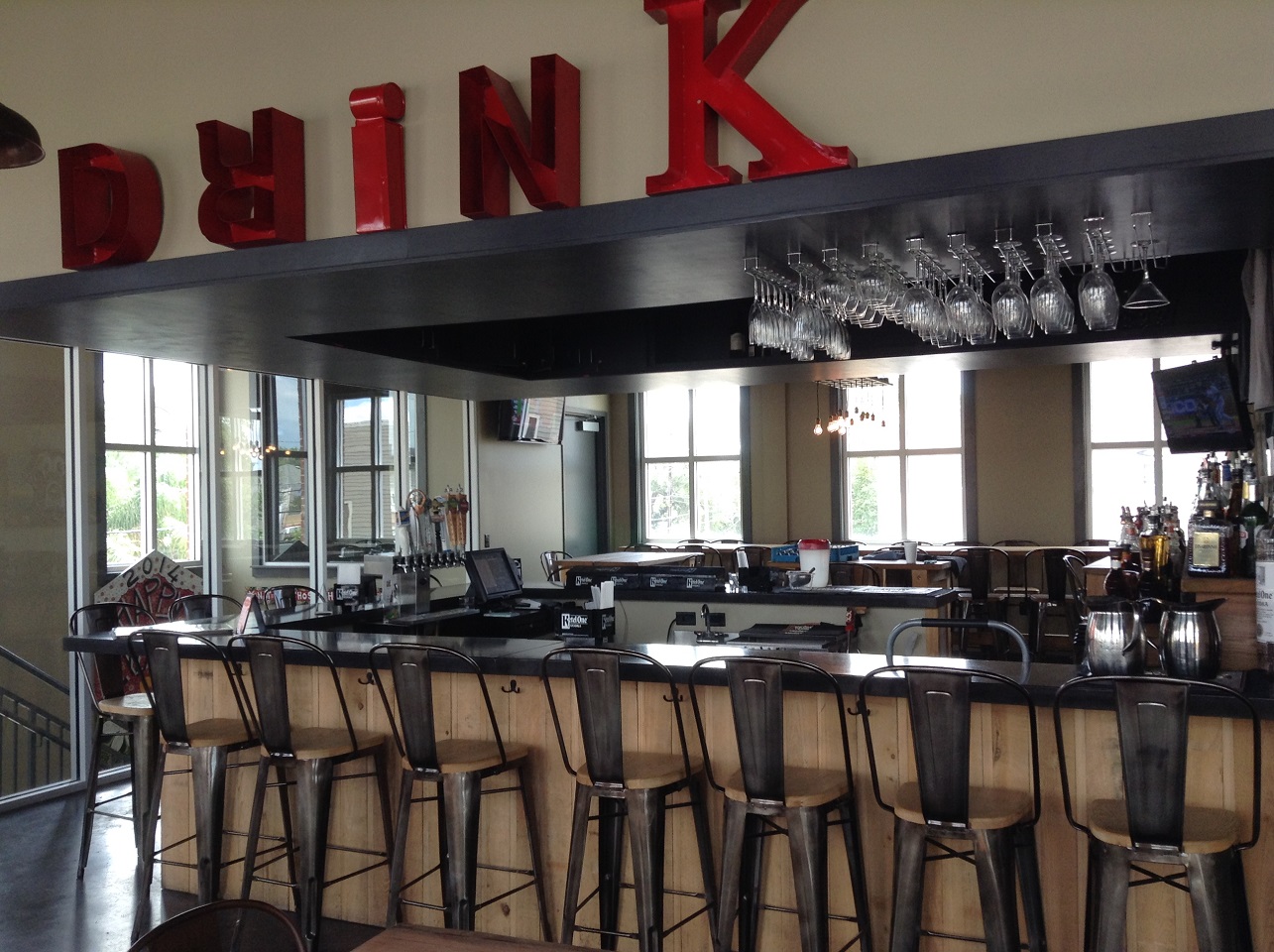
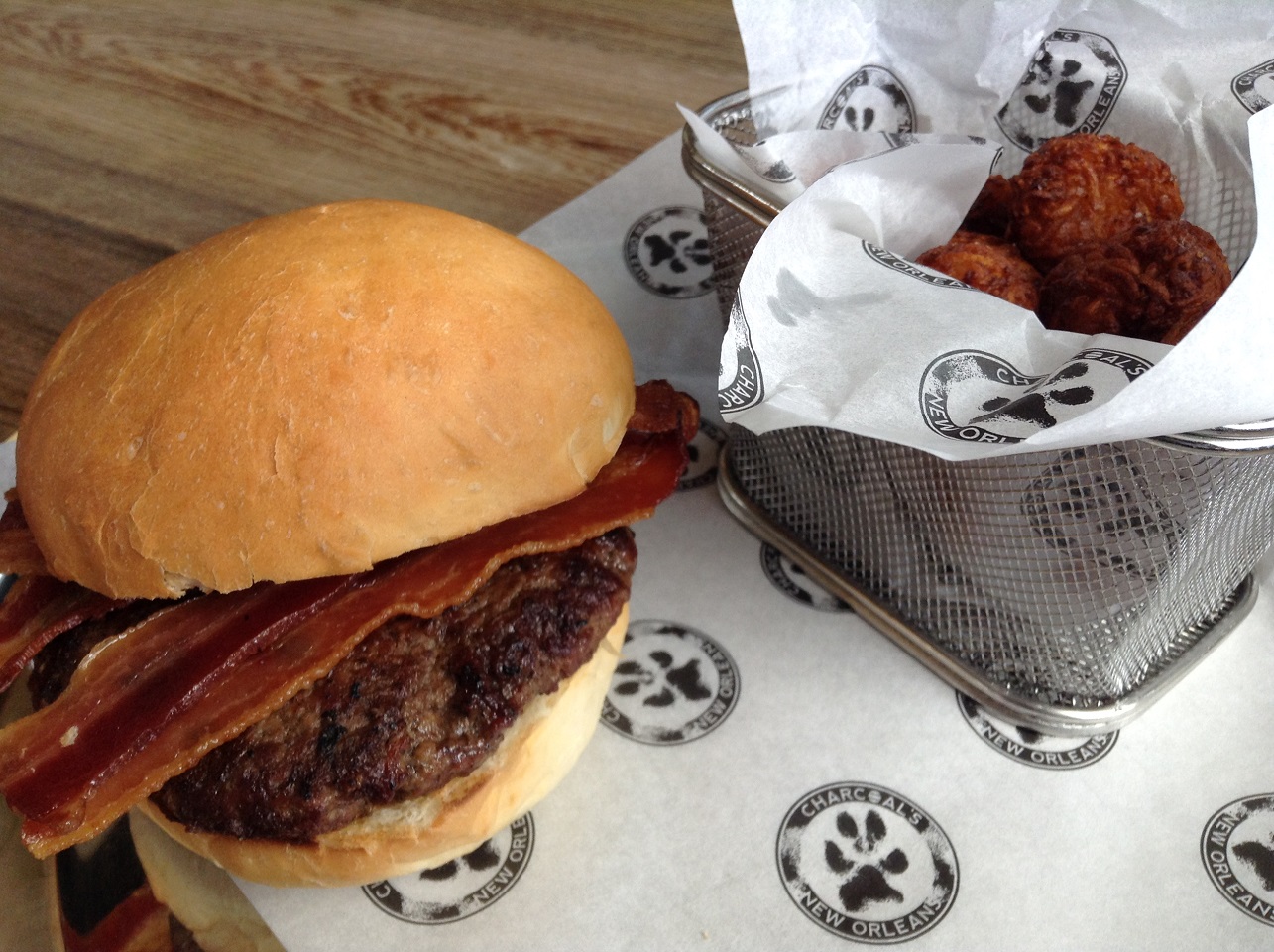
It’s all about the burgers at this location near the Garden district. A quick ride from the French Quarter, there is a great bar upstairs with an outdoor patio space. If you just want counter service, you can stay downstairs or order takeaway. Either way, you have a great menu to choose from – pick the burger type (various meats, veg or fish options), try to choose a potato option (harder than you think – go for the tots!) and add a drink and you’re all set for a great meal.
Dinner in the French Quarter
SoBou (connected to the W French Quarter Hotel)
SoBou is short for South of Bourbon and is an acclaimed restaurant with small plates of adventurous (for me anyway) foods. I loved the decor and without a reservation on Monday night was given a table for two in the front of the restaurant.
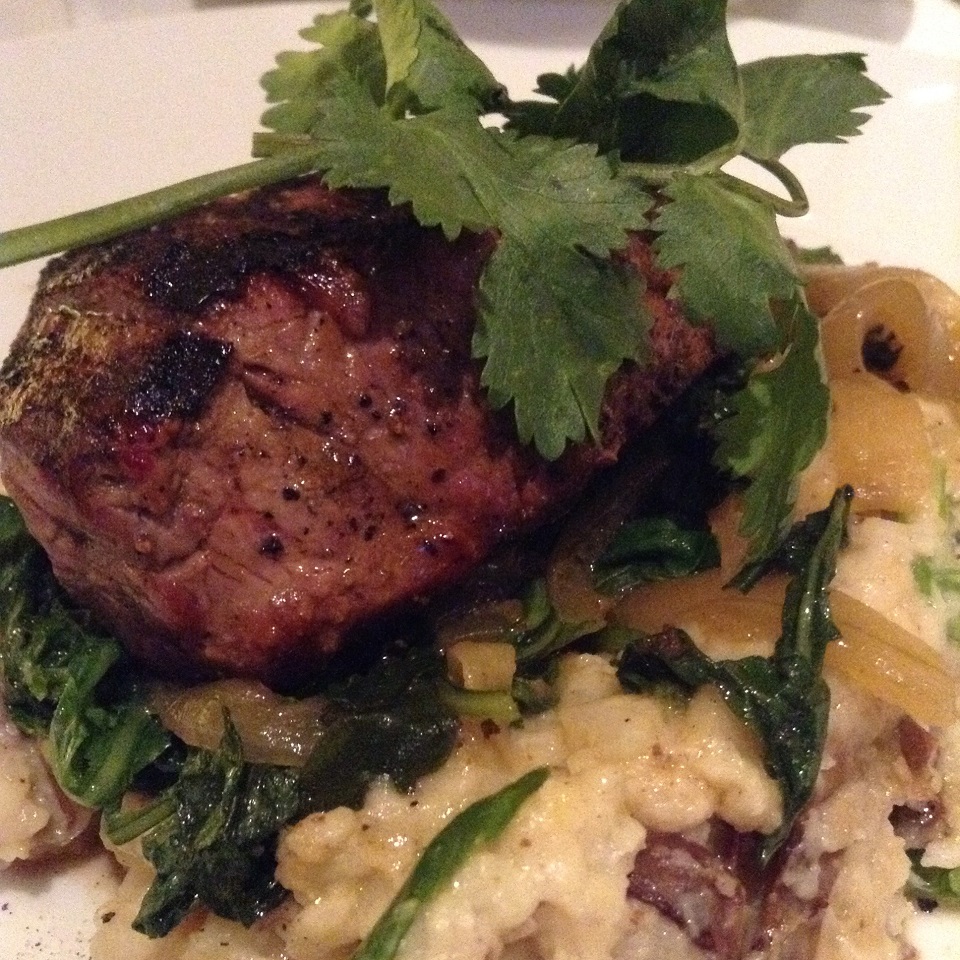
I chose the steak entrée with a side of seasoned fries, a glass of Malbec and a very tasty chocolate dessert. Service was ok, I did need to flag the server when I felt abandoned more than once. No worries about being rushed out here.
Orleans Grapevine Bar & Wine Bistro
You might pass by if you weren’t looking for this place. It doesn’t look like much from outside but I was pleasantly surprised by a large bar area, dining room and a garden patio in the back. Without a reservation and starving, I didn’t wait for the patio and elected to eat at a table in the dining area (I had the whole area to myself in the corner).
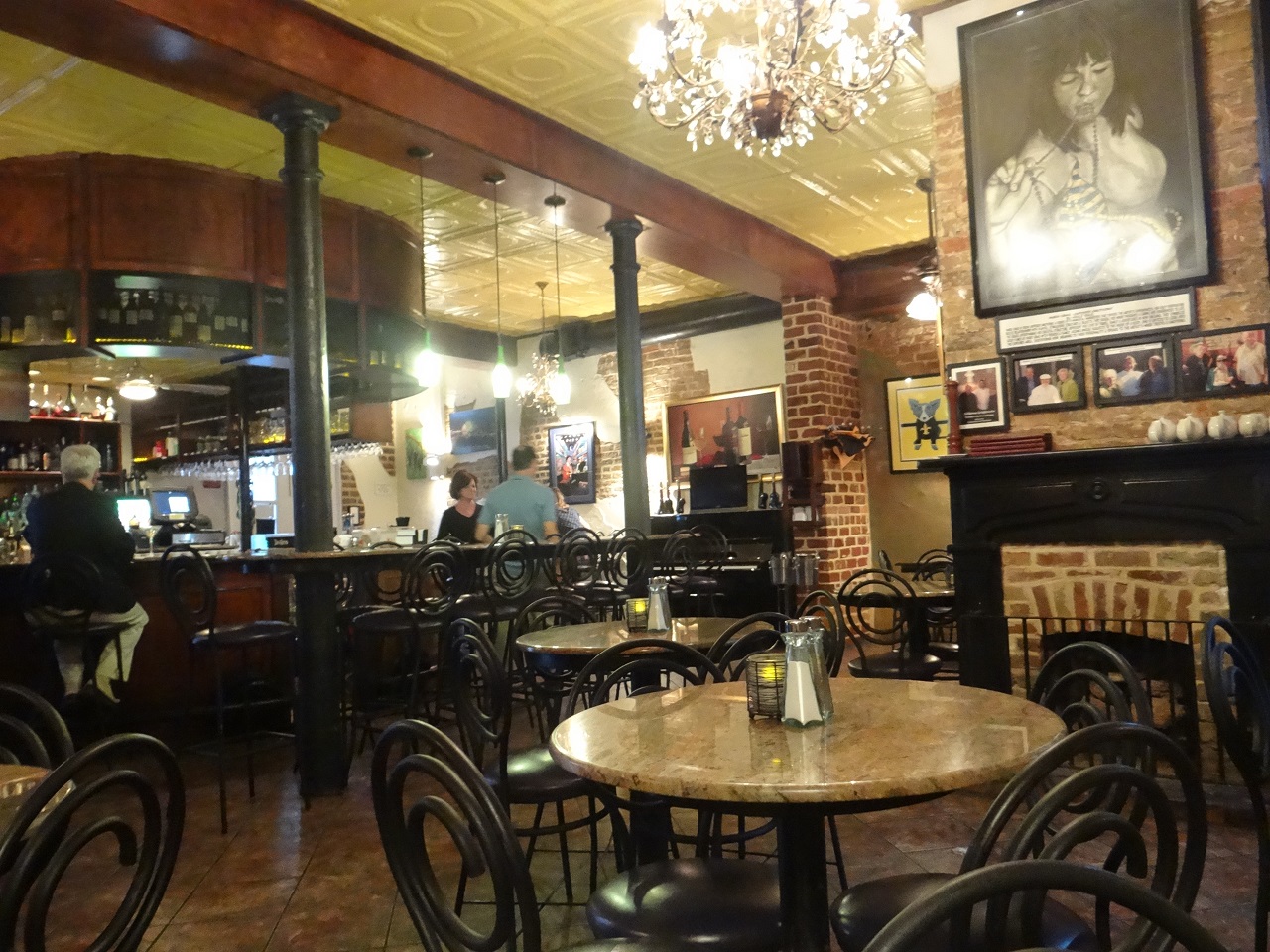
Never mind the seating arrangement, the menu was a good call and the wine choices overwhelming (by the glass, flight or bottle). The interesting wines and vintages from around the globe gave me pause as I wanted to try so many different countries – Chilean Carmenere, South African Pinotage, Australian Shiraz before my standard Rioja and Malbecs (note, that on a business expense account, a glass of wine is ok, a flight of wine, not so much).
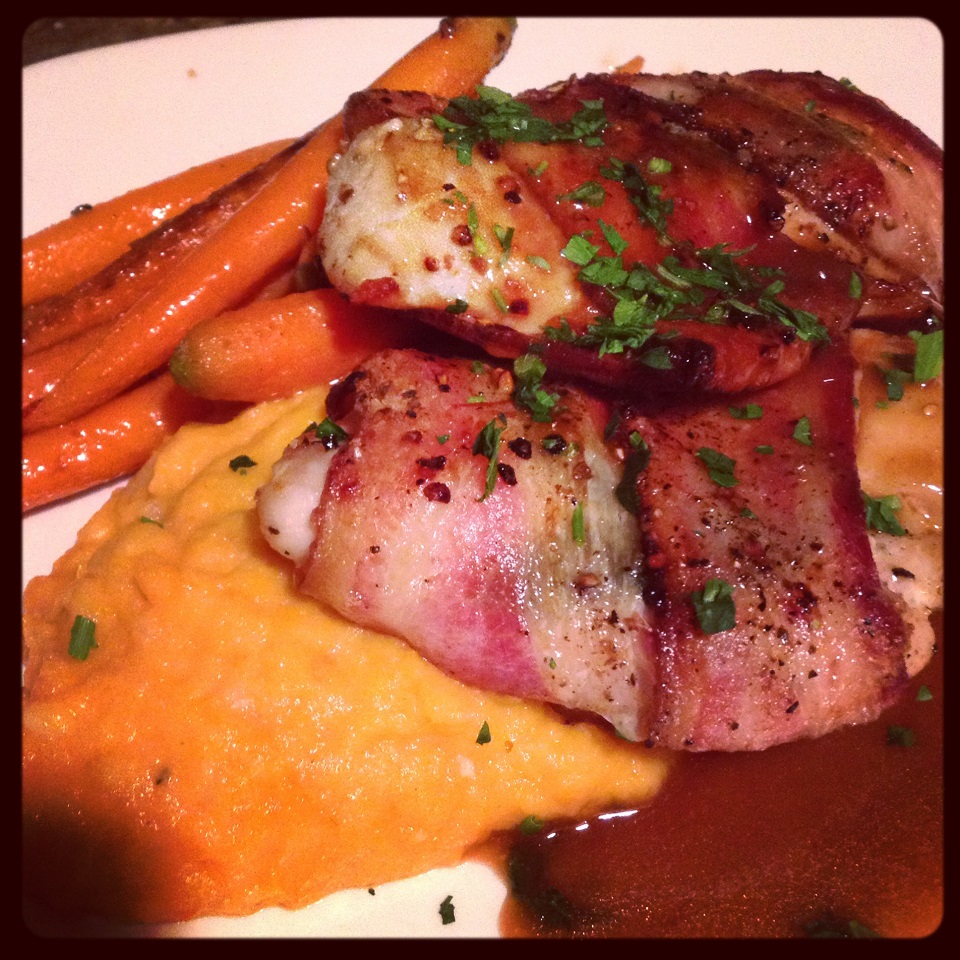
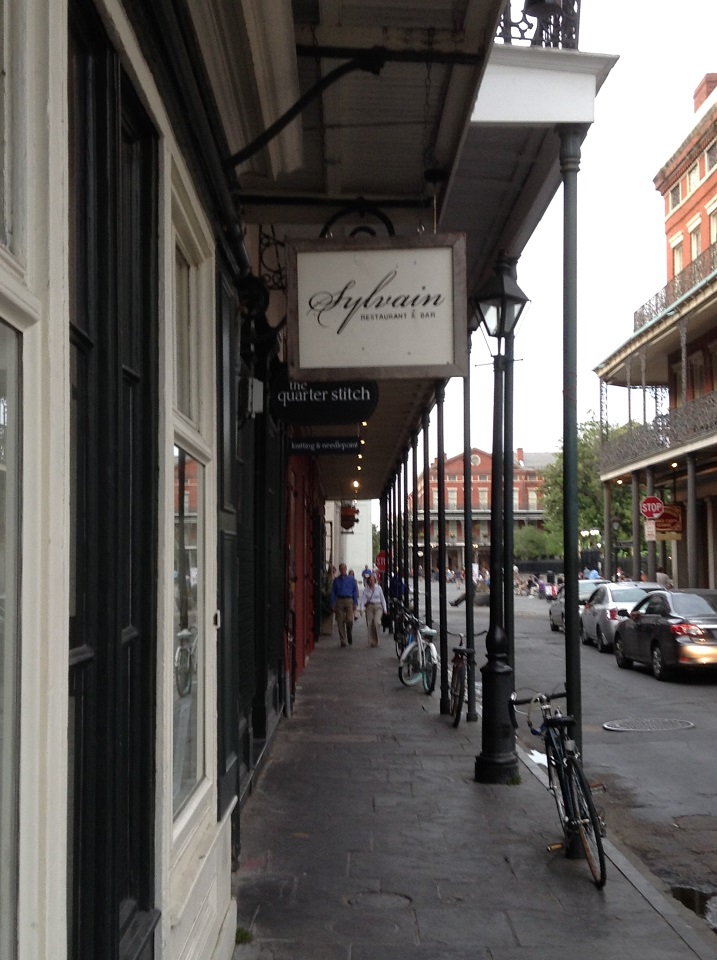
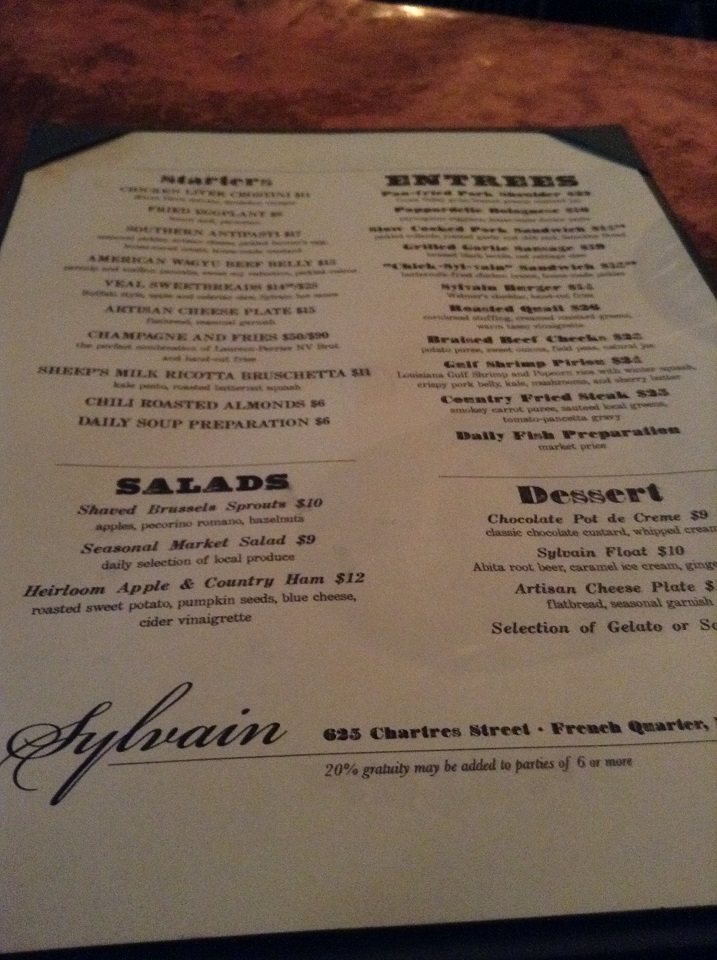
The concierge recommended Sylvain as his favorite restaurant (it’s mine now too!). Located three blocks from the hotel, I had to do a walk by to figure out how to enter – a bit of a hideaway, I already liked this place. Through the alleyway, I happened upon the outdoor garden area with patio seating and the hostess. Without a reservation, I was directed to dine at the bar which had three empty seats. I’m not usually a fan of dining at the bar but that was my only option (there was a cute talkative guy at the end of the bar so that helped). It was hard to choose from so many tempting options that I sought the bartender’s help.
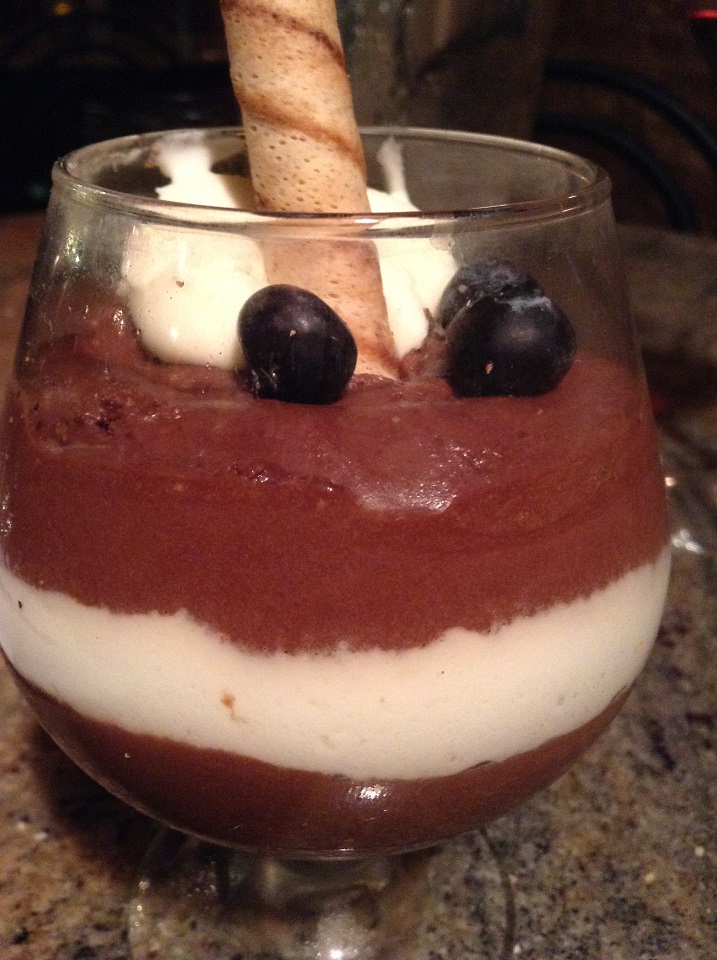
Torn between the pan-fried pork shoulder with grits, braised greens and mustard jus or the braised beef cheeks over pureed potatoes with black-eyed peas, the bartender explained the pork and how it was prepared – I was mesmerized. The pork is cooked, marinated until it is so tender like a pulled pork then rolled up and sliced in rounds with a bay seasoning. When it arrived it just fell apart with one poke of my fork – I was in love with this dish. My first taste of grits was just as good. All of this was accompanied by an Italian Malbec (the bartender talked me into this too) . The bar had a good list of cocktails and single barrel bourbons. In case you think this is all types of fancy foods, they have a burger on the menu and a fried chicken sandwich too. The entrée was a huge portion that I could not finish as I had dessert on my mind, namely the chocolate pot de creme.
The Brennan family are local well-known restauranteurs and the steakhouse, located off of Bourbon Street was busy. I joined colleagues from the conference and was lucky to snag a reservation. The high-end steakhouse had a variety of patrons from business suits to casual shorts. We were seated in a booth downstairs with a view of the dining room. Our servers worked as a team and for the most part were attentive. The food is classic steakhouse. The bar was packed and has a separate menu which includes an award-winning burger.
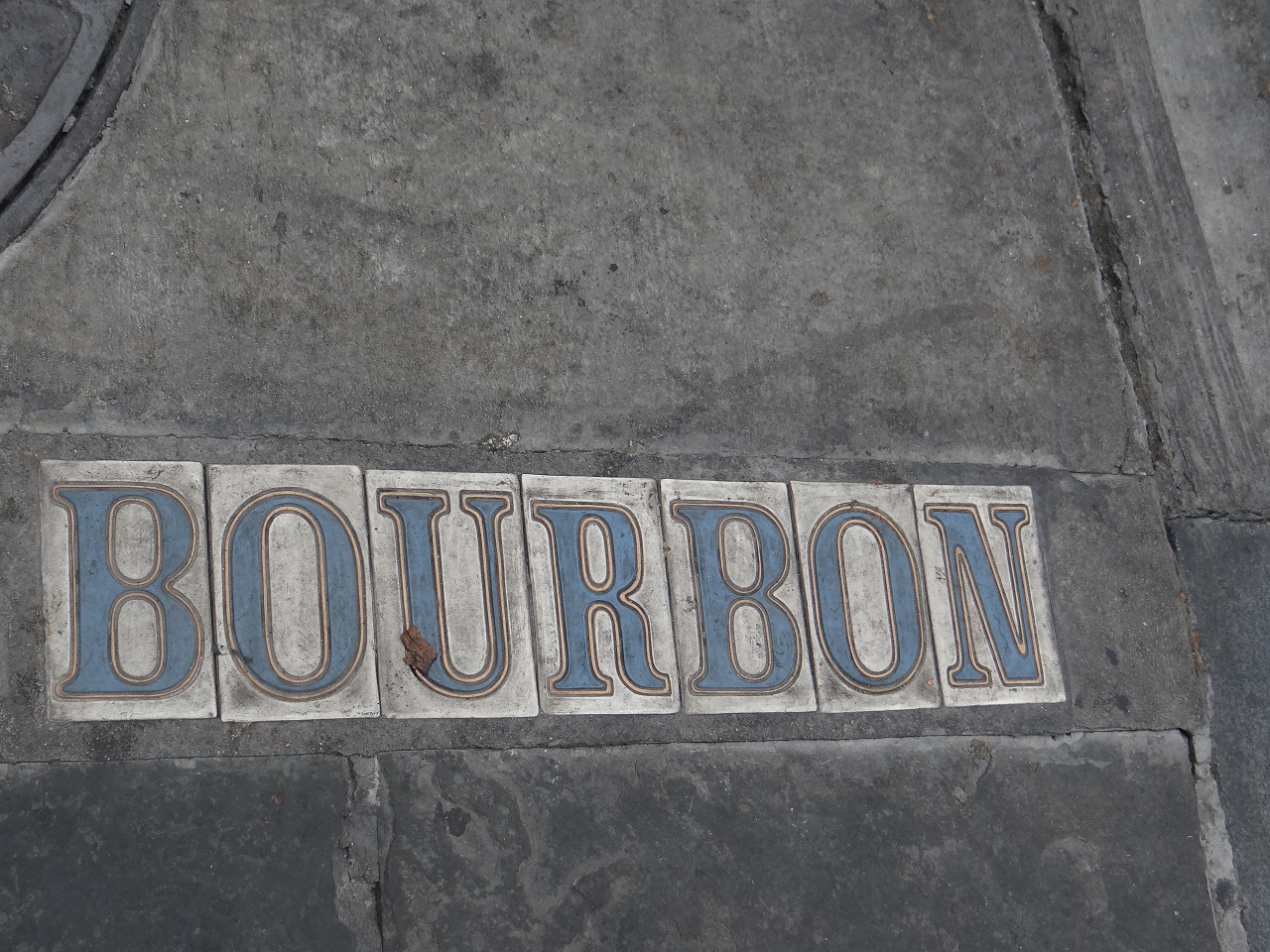
My solo dining in the French Quarter of New Orleans turned out a lot better than I anticipated. I didn’t need to be part of the party crowd of Bourbon Street, I chose to find quiet comfort in the fantastic foods and wine dining solo in the French Quarter.
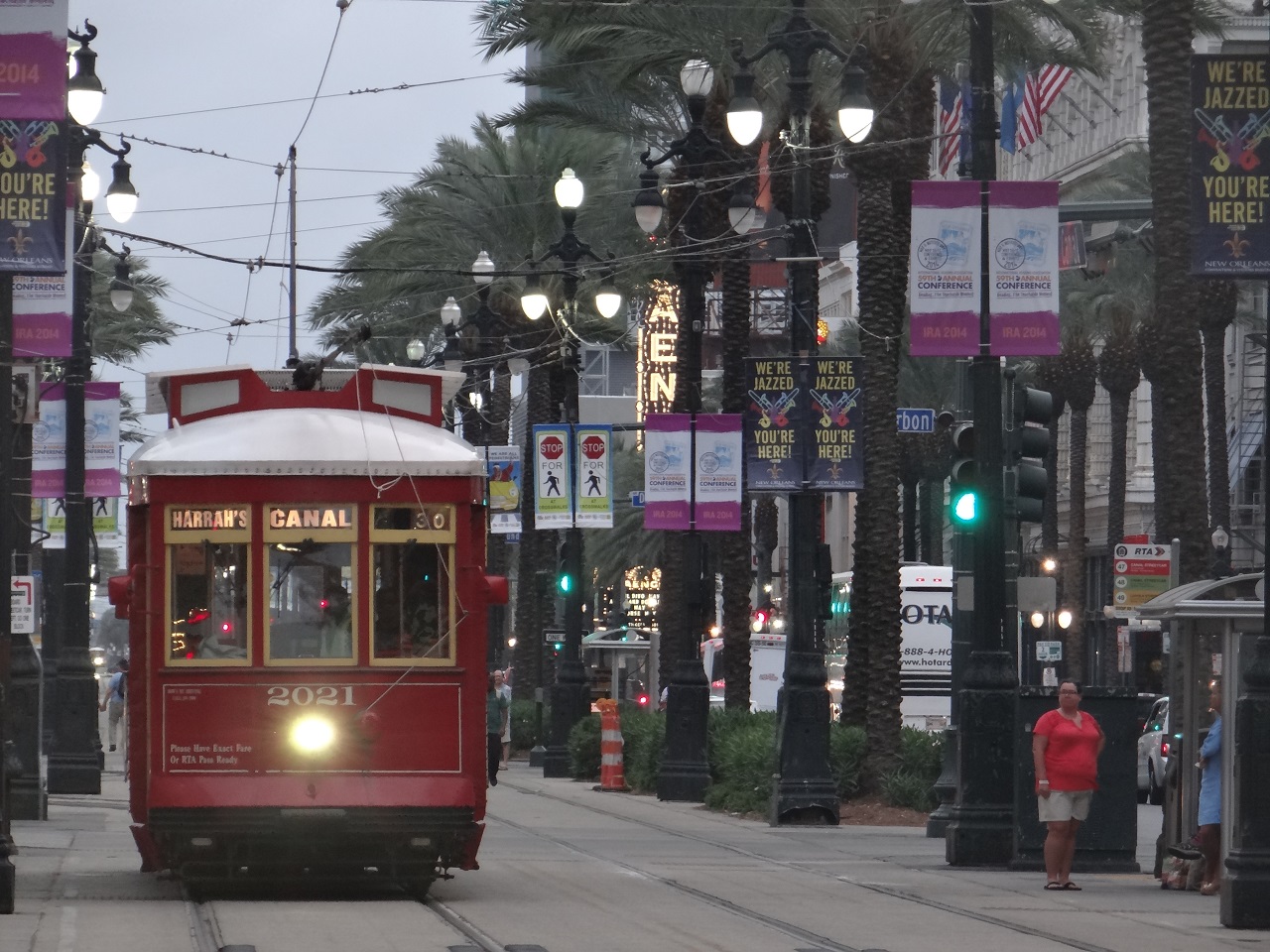
What is your favorite food memory of New Orleans? Please share in the comments below
]]>
For many of us, our sparkling wine knowledge stops at champagne/sparkling section of the liquor store. We look at the cost and pretty label and call it a day – it’s all the same right? Wrong! Chances are that you’ve actually tried Cava if you’ve ever bought the black bottle of Freixenet, one of the largest producers. France has a (legal) lockdown on the Champagne name, Italy has prosecco and Spain has Cava. Each country has strict guidelines. All are made from grapes grown in the vineyard, all sparkling and frankly, all worth trying for everyday occasions. The Spanish cava is made by blending three varieties of grapes, macabeu, xarel-lo and parellada. They are also allowed to add chardonnay, pinot noir and subirat grapes and still be called cava.
In Spain, Cava is an all-day drink and I had such fun drinking tasting um, learning more at the two family owned wineries on our itinerary – Llopart (125 years) and Cava Berta (25 years). The Cava tours/tastings would be after our adventurous day at Les Comes.
Llopart
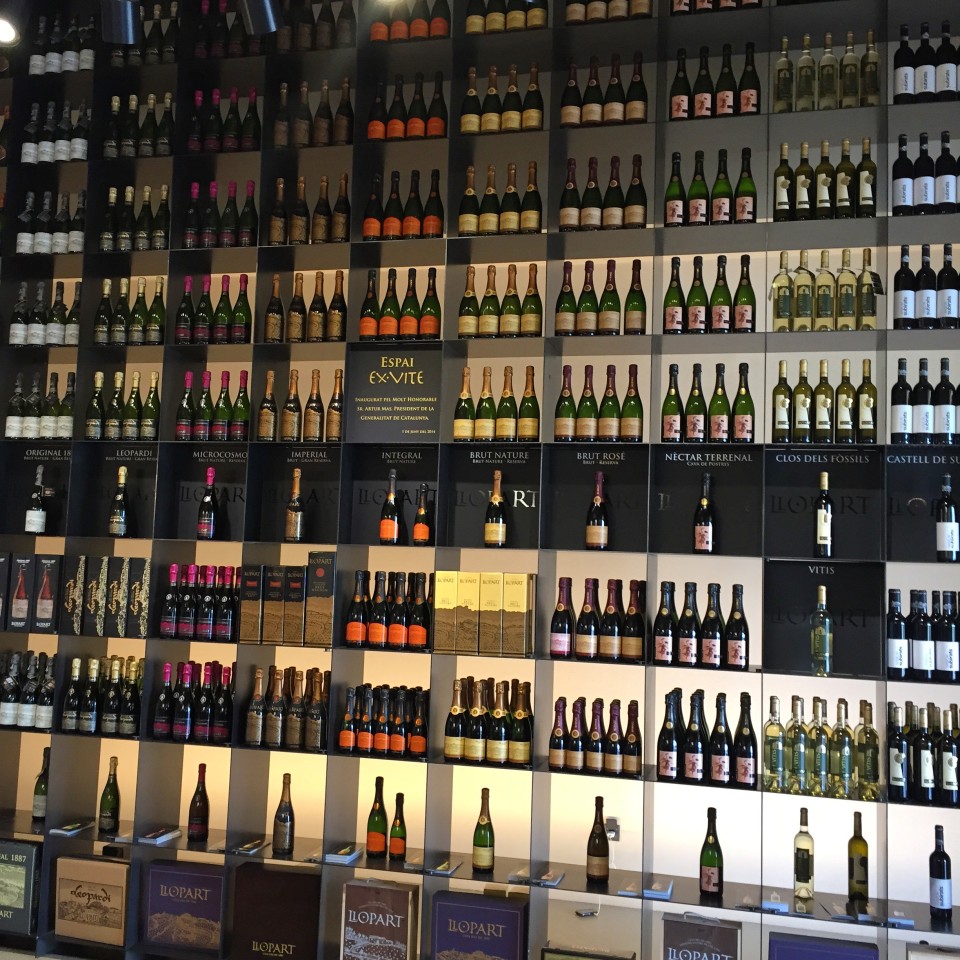
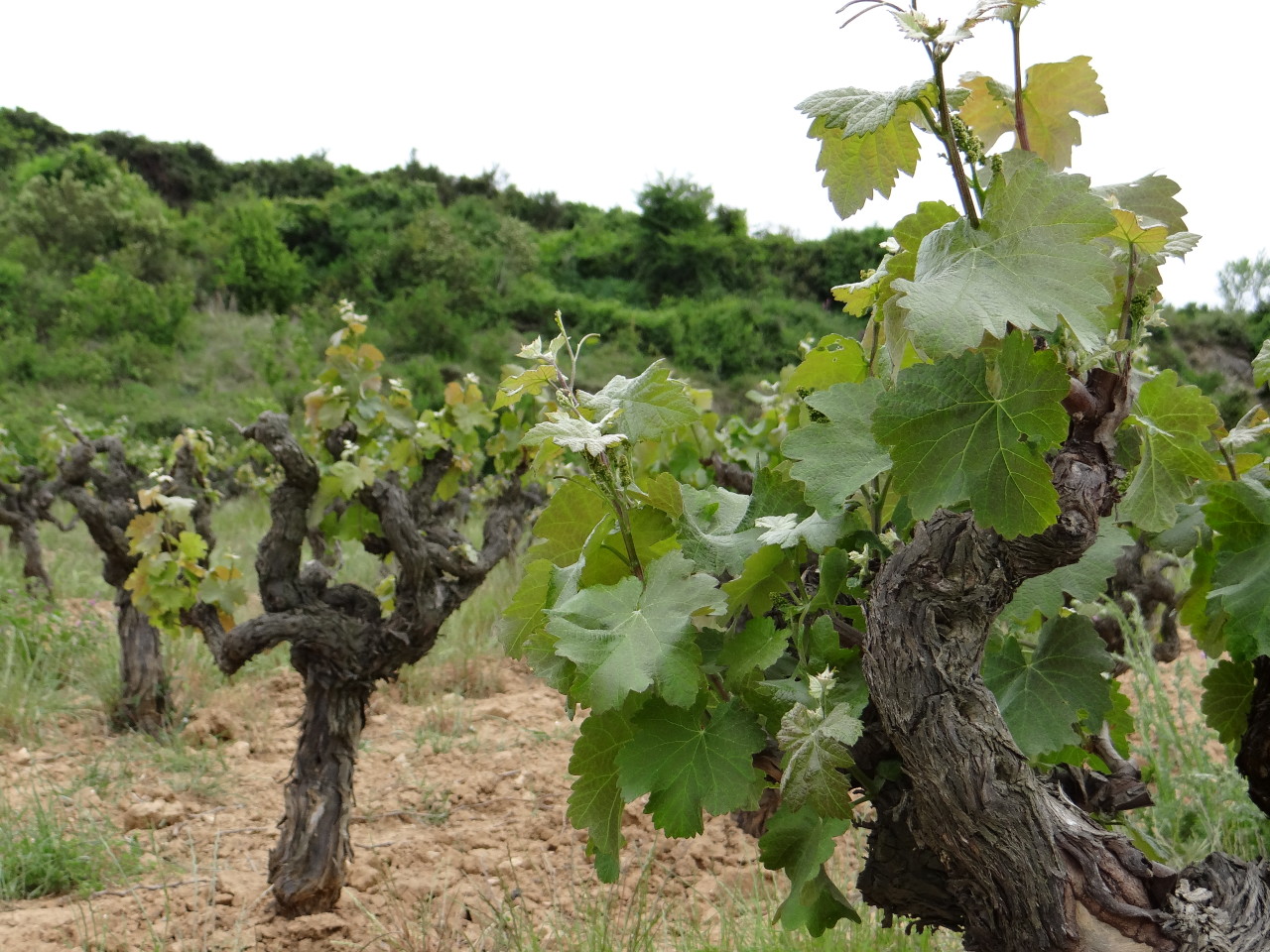
After our welcome glass of Cava, we split into two trucks to go out onto the property. There we were met by staff to learn more about how the Penedes region and the Montserrat mountain range are key to the microclimate for growing the grapes. The vineyard is sloped and uneven which allows Llopart to cultivate grapes sustainably using tradition methods dating back to their first Cava in 1887. It is required to produce cava using traditional methods.
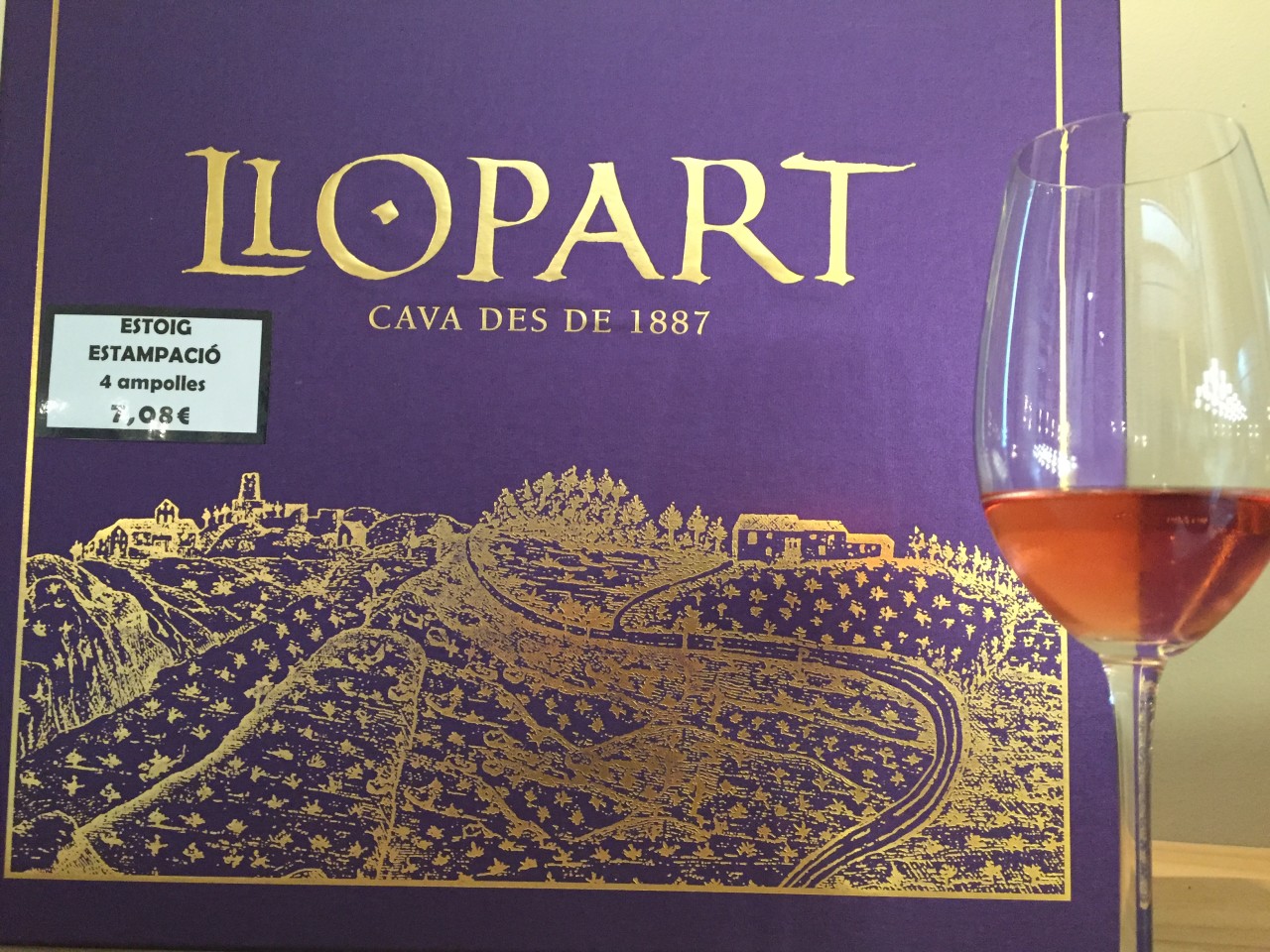
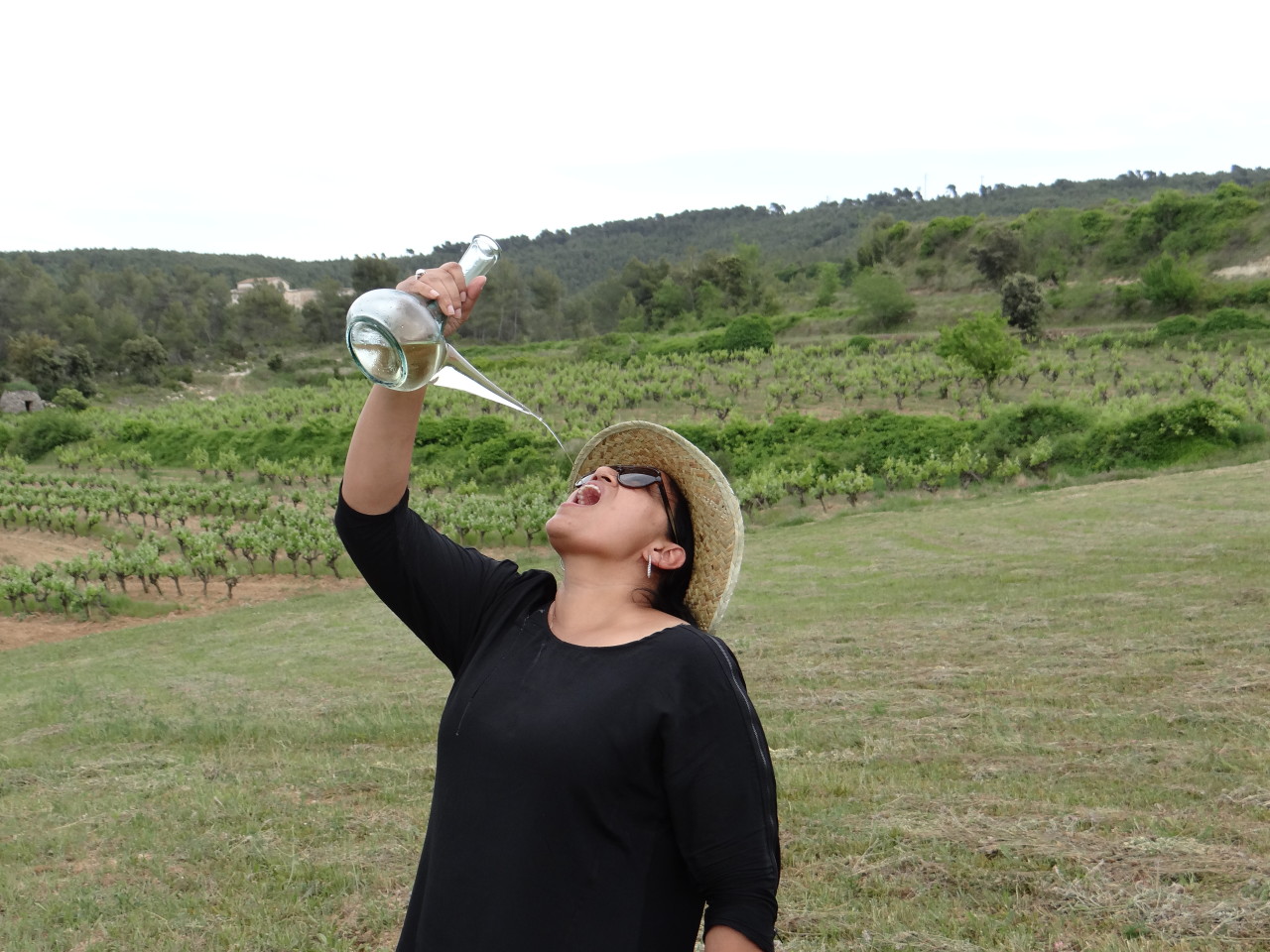
From the fields we jumped back into the trucks to find the stairs underground to start the tour. Sitting on cork chairs (cute touch), the intoxicating video began. The images were eye candy gorgeous showing us the history of Llopart, the country house and the grapes. We moved along to see the bottles (so many bottles) in the cellar as well as a few standing exhibits. Next we tasted three reserve cavas (with snacks on the table), in the cool cellar before moving on to the production area.
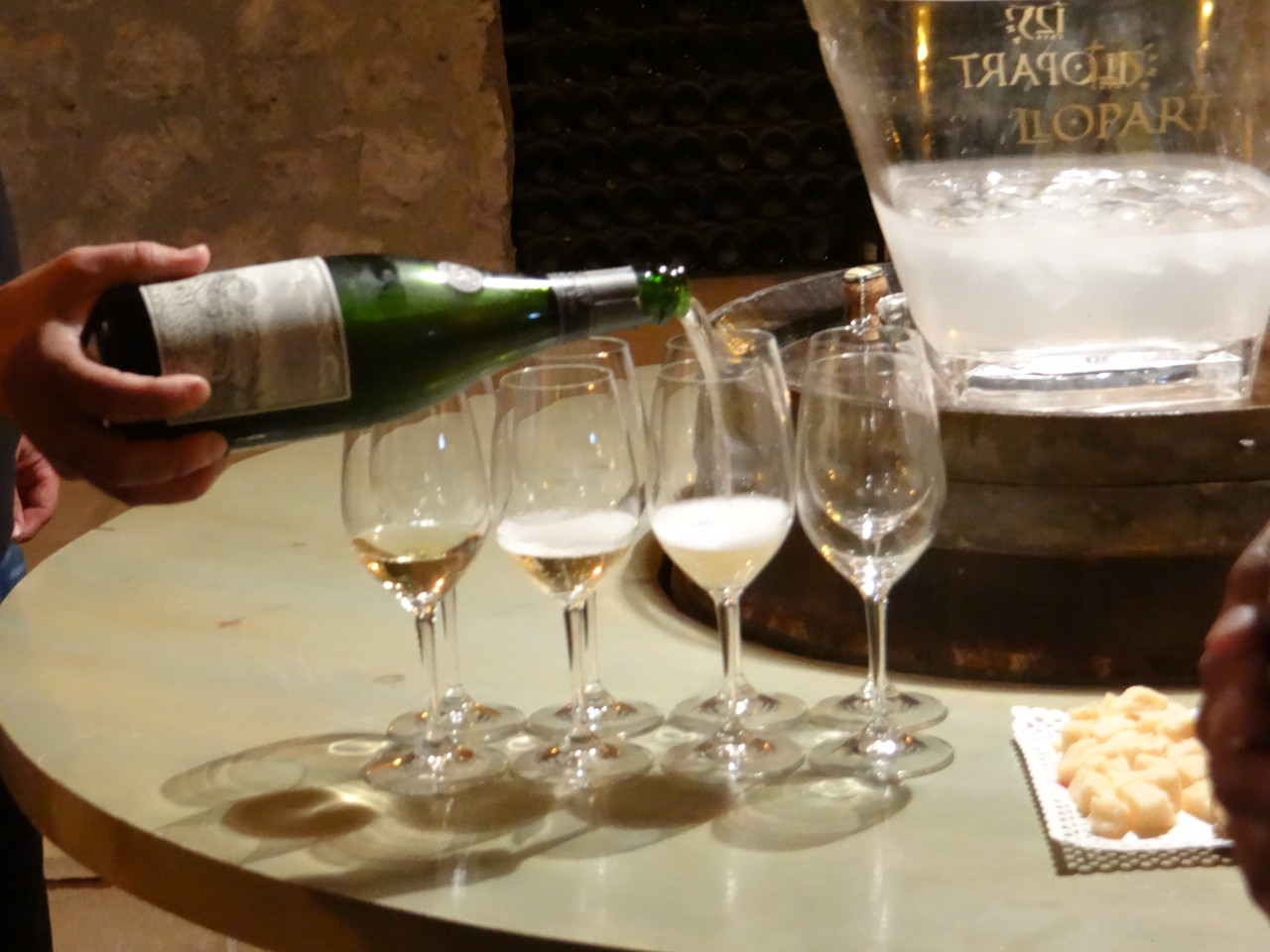
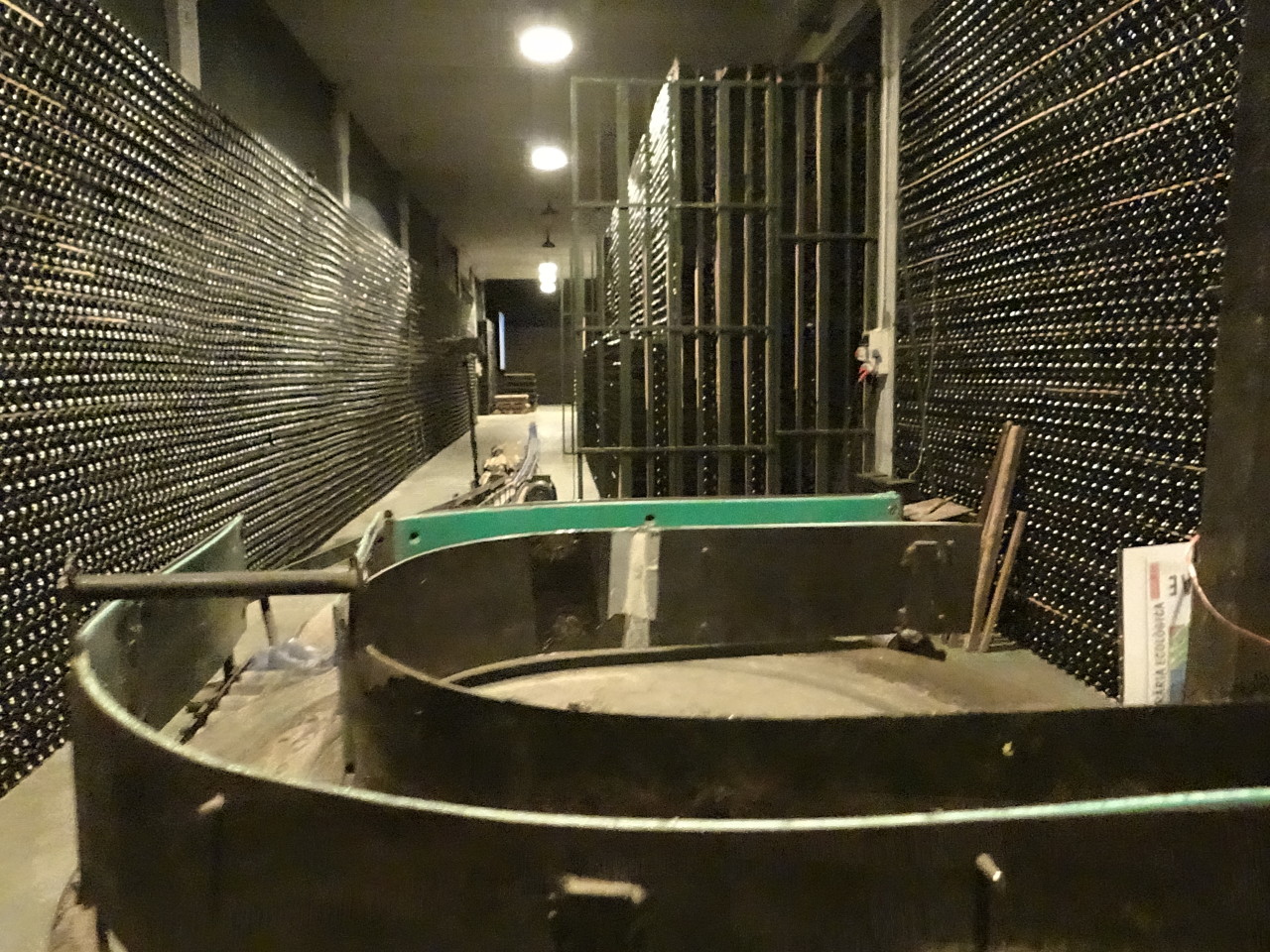
If you’ve been on a wine tour before, the production tends to look the same and Llopart was no different although I do love the machines that cork the bottles and move them along. Finishing up in the main shop where we started, there was even more to taste. Llopart produces many cavas from dry to sweet, all of which I think I tasted during the tour. They also produce wine but who had time for wine? (sign I was drinking too much cava to switch)
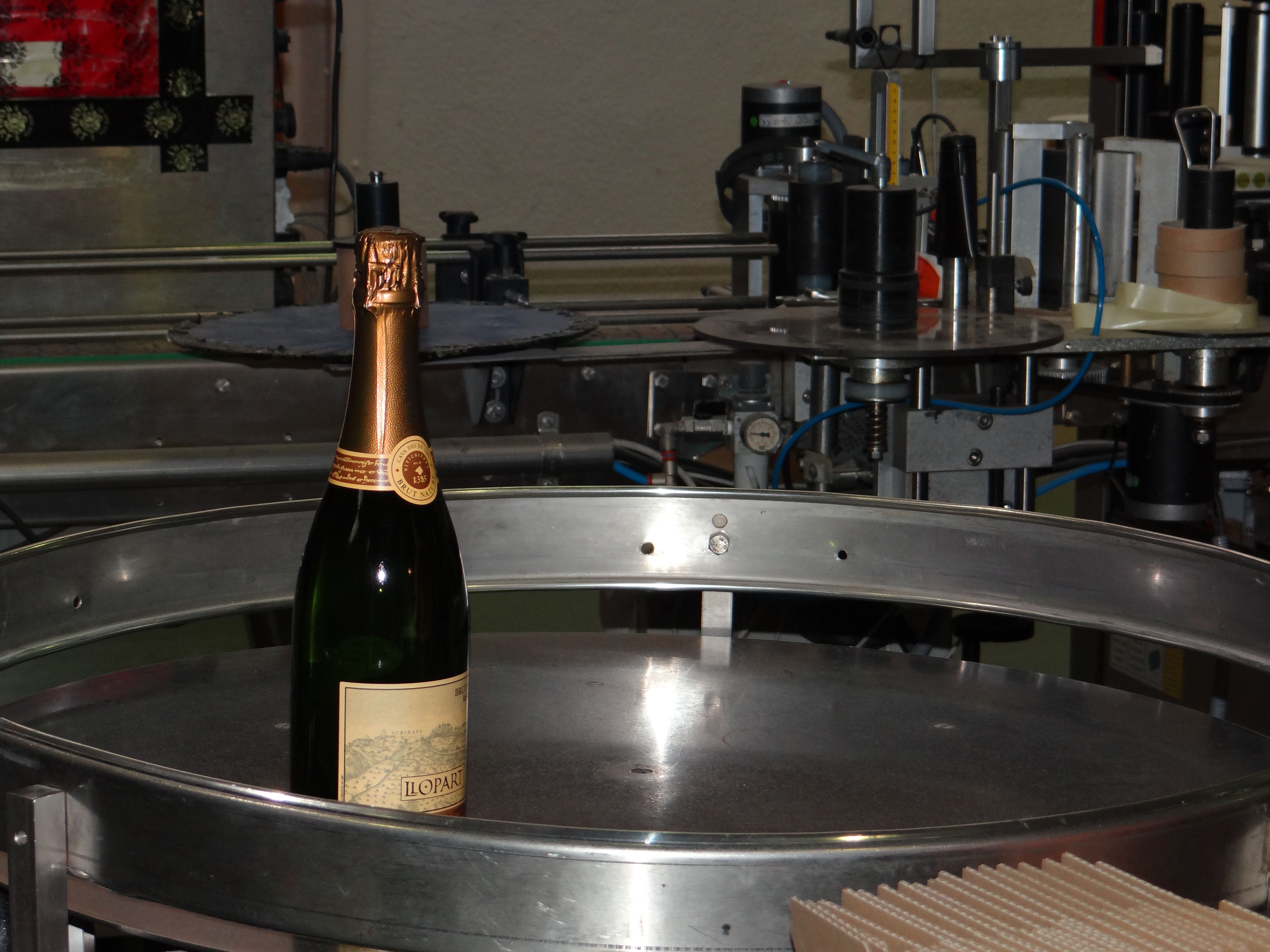
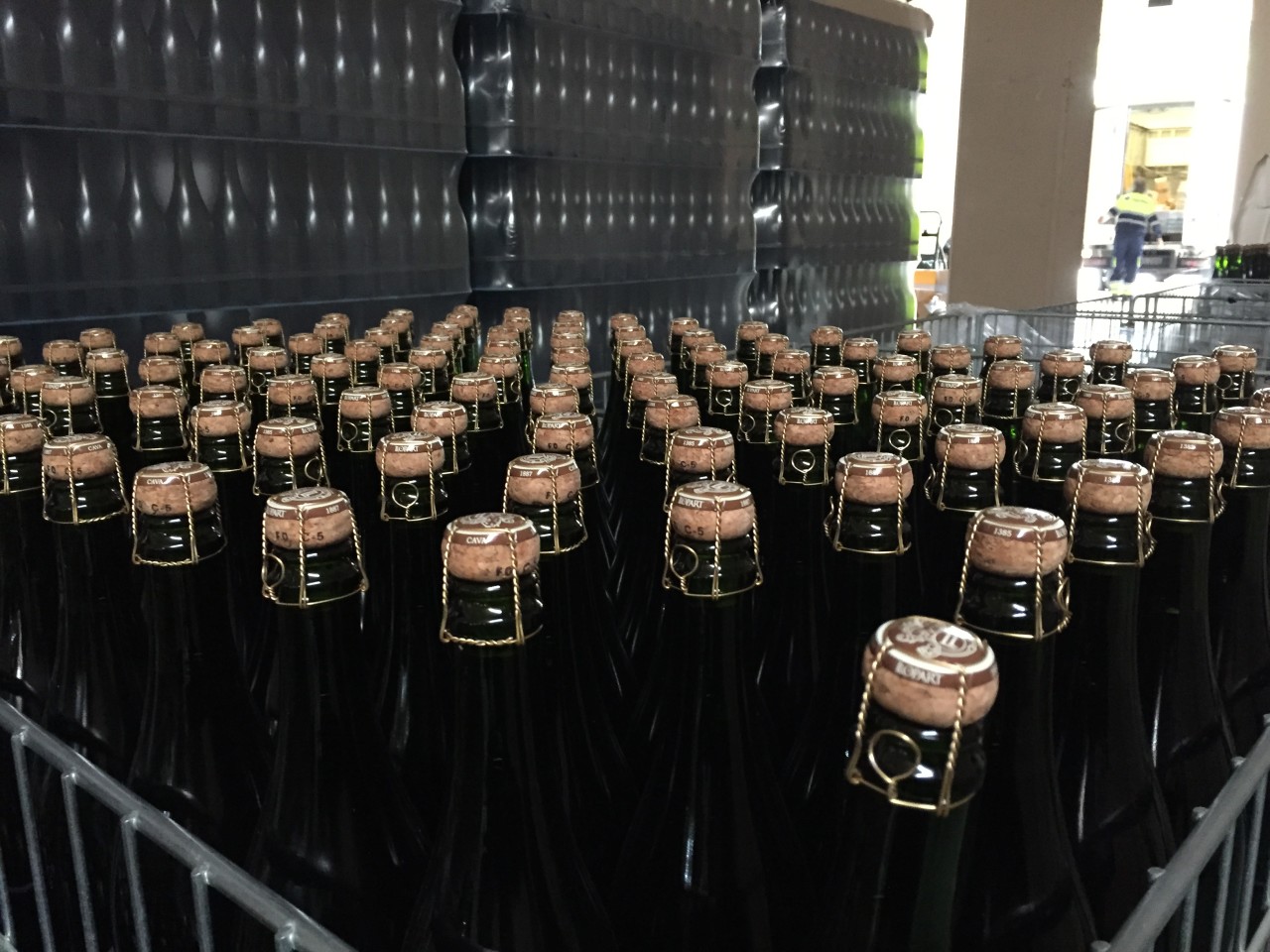
When we left Llopart, I added them to my “let’s hope Pennsylvania sells them” list (see the draconian State of PA liquor laws I have to deal with).
The tour cost €10 and needs to be booked in advance. It does not include a trip into the vineyards but rather starts underground with the video presentation.
Cava Bertha
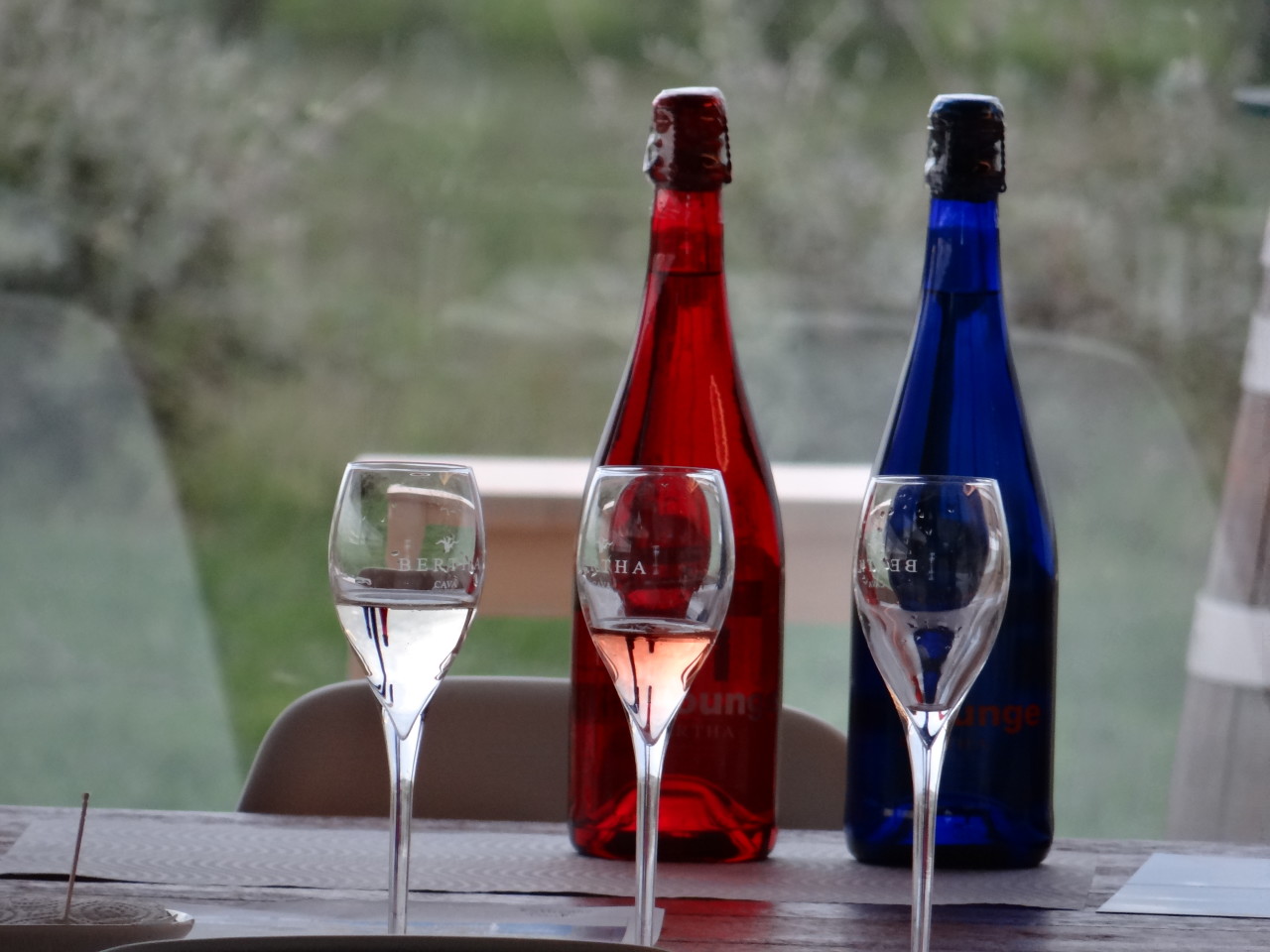
We arrived a bit late to our next tour/tasting but the owners of Bertha were so welcoming ignoring our tardiness. Greeting us outside as we arrived, a bit like your parents waiting to welcome you home, we were escorted into the very contemporary styled new building surrounded by the grape vines. This family owned business is a labor of love as the owners’ wife (the marketing guru who looks like a model) and adorable children were onsite during our visit.
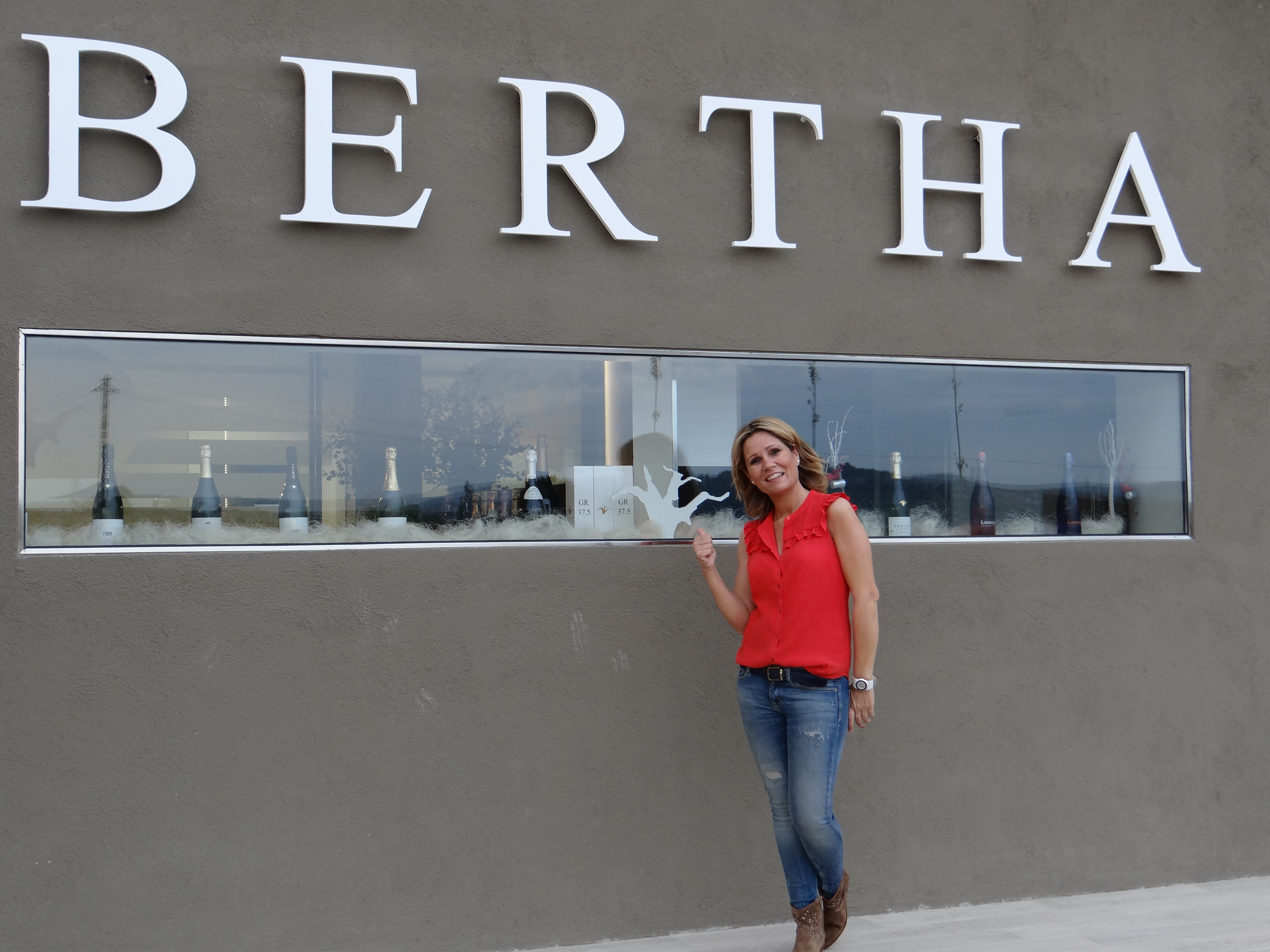
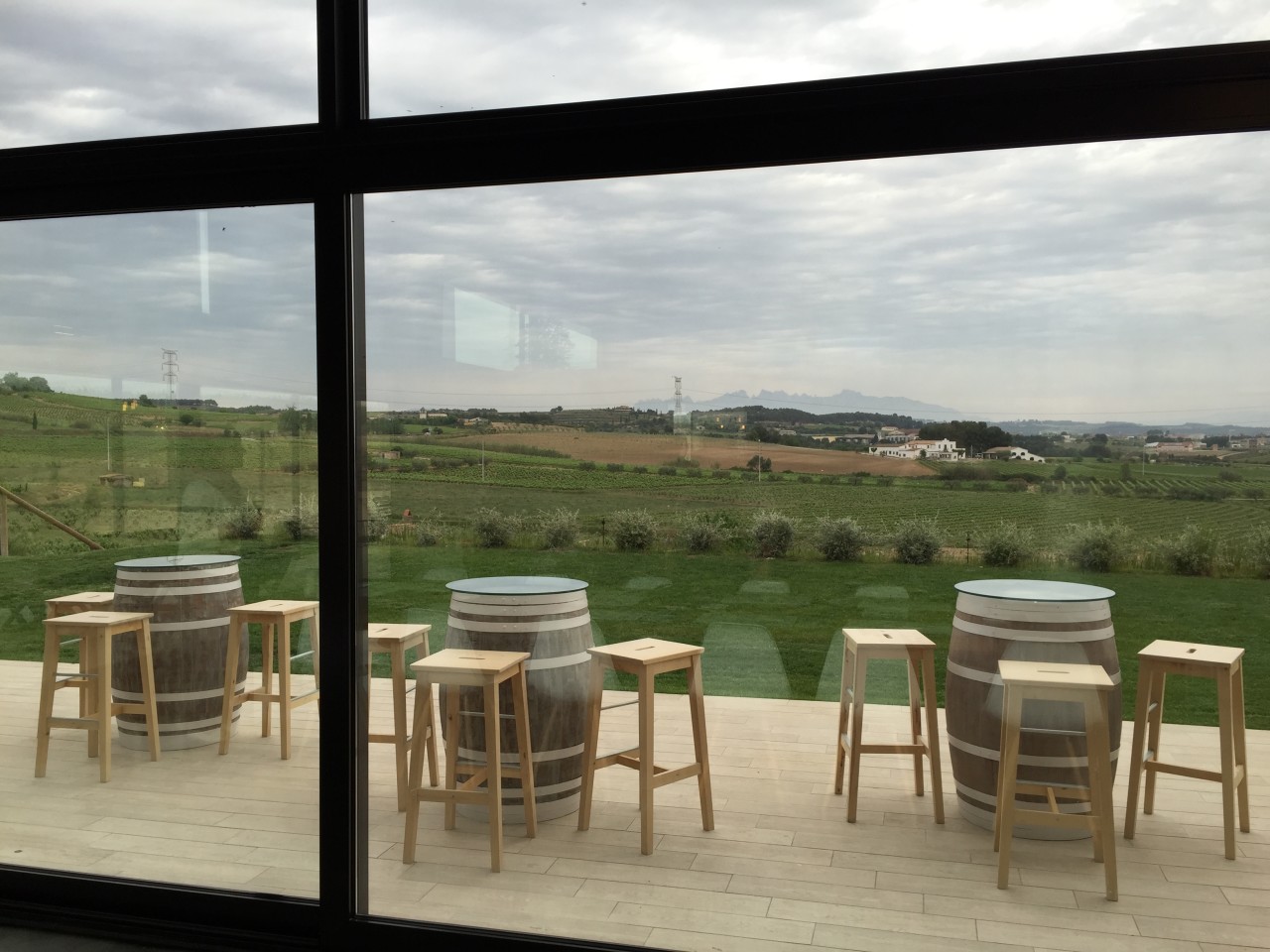
After a welcome glass of Cava and a short introduction, we moved onto the blind tasting. There we learned the aging process and the levels of sweetness from dry to dessert. Glass of Cava along with a specific food (meat, cheese, asparagus, etc.) were served as we were asked to guess the age (old or new) and if sugar was added.
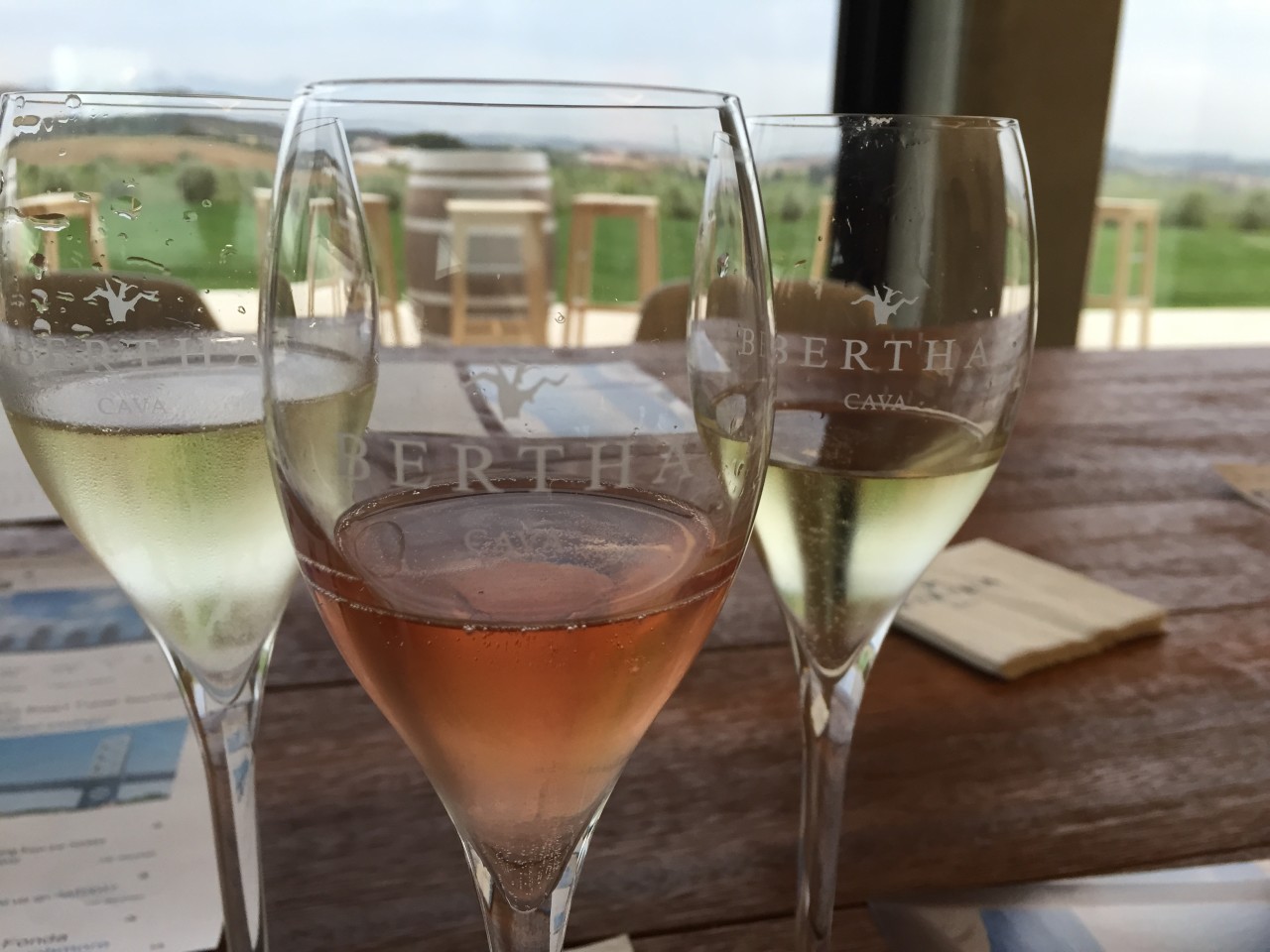
This was a fun game mostly because I got each one right (more fun when you win) but also because I could finally taste the difference when paired with food. I’m not usually that keen to notice the subtle differences (I won’t know if there is a hint of tobacco, chocolate or other – it’s just good or bad wine to the chagrin of every sommelier I’ve encountered) but with the Cava I was easily able to do so. It helped that the sparkling is very easy to drink and I was probably a bottle or so in on the day.
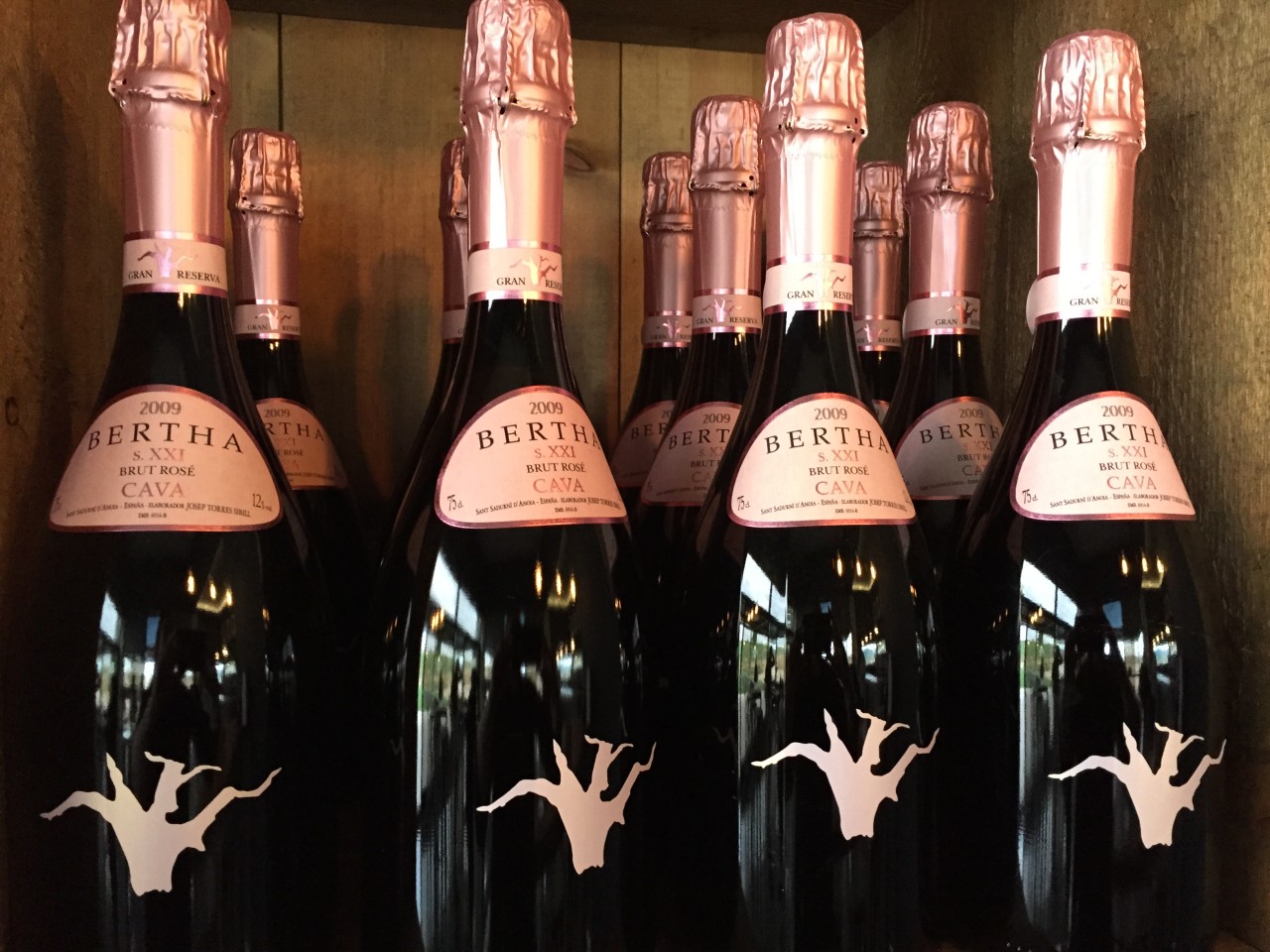
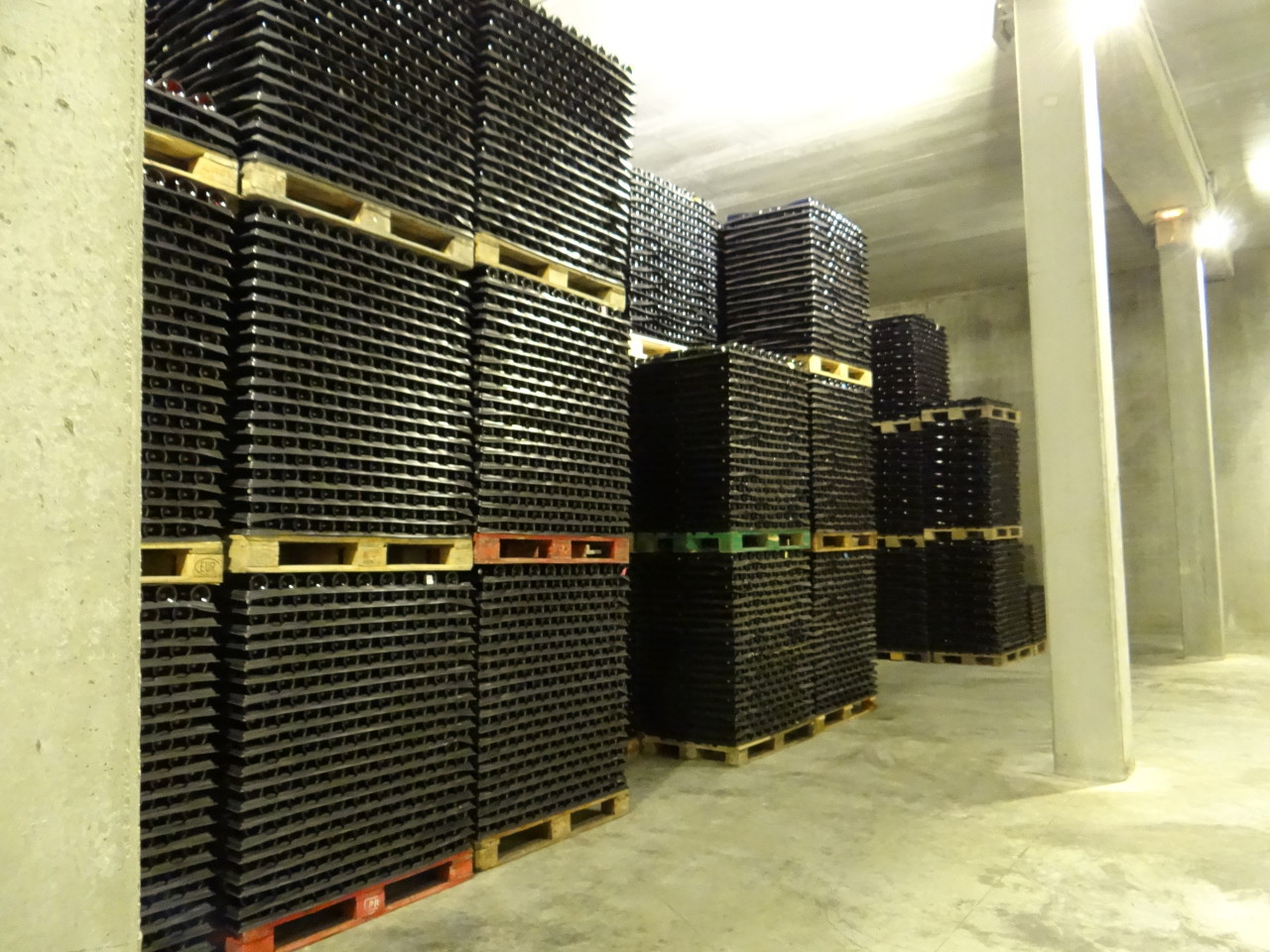
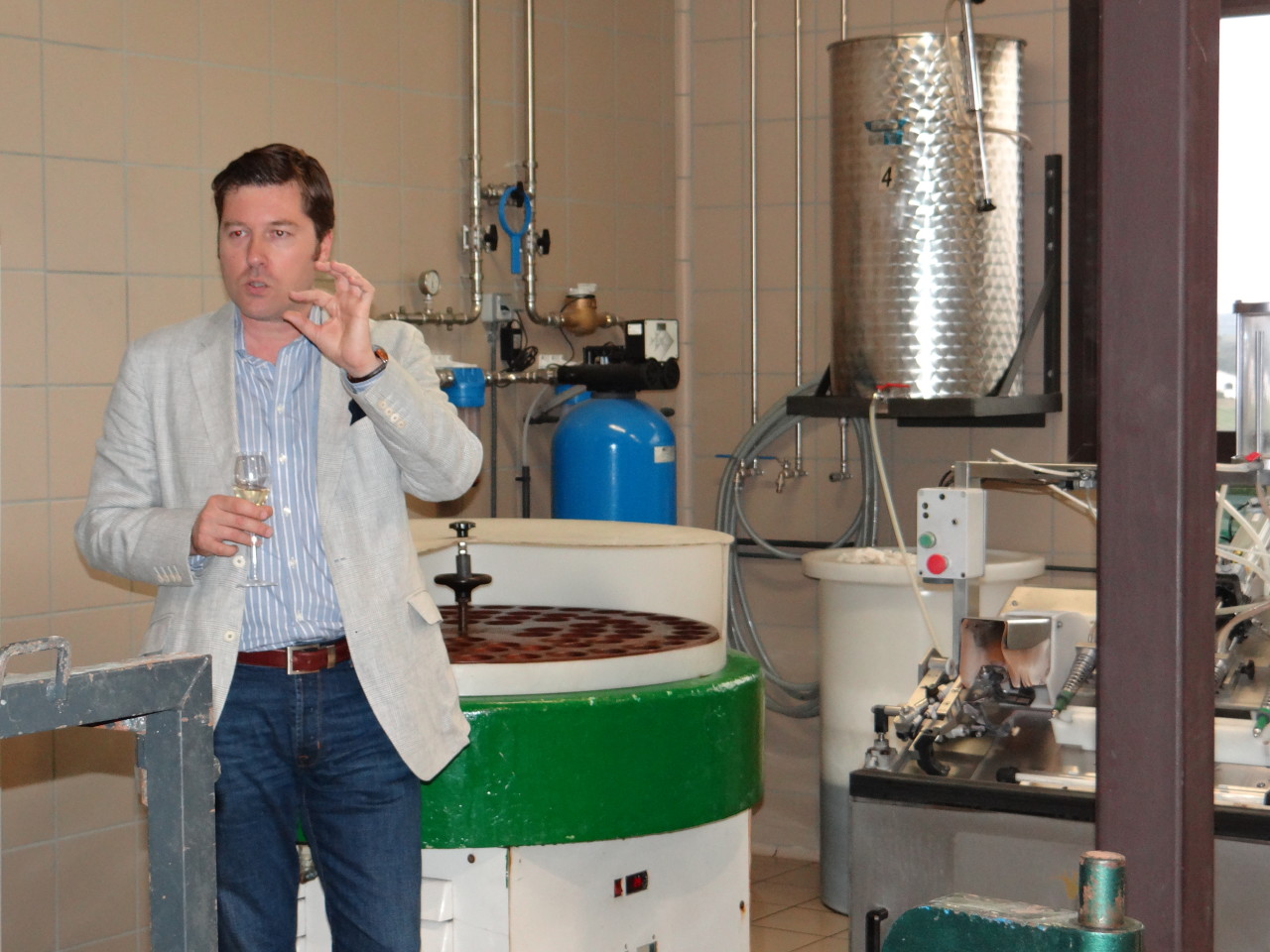
Understanding how the Cava is made is a part of any tour and we would go to the underground basement to see the storage cellar and learn how the bottles are turned during the aging process. The concrete, cool cellar was stacked so high with row after row of cava. The most impressive part of the tour was the bottling and packing area. Unlike the big competitors, this is a small operation with limited production of high quality Cava.
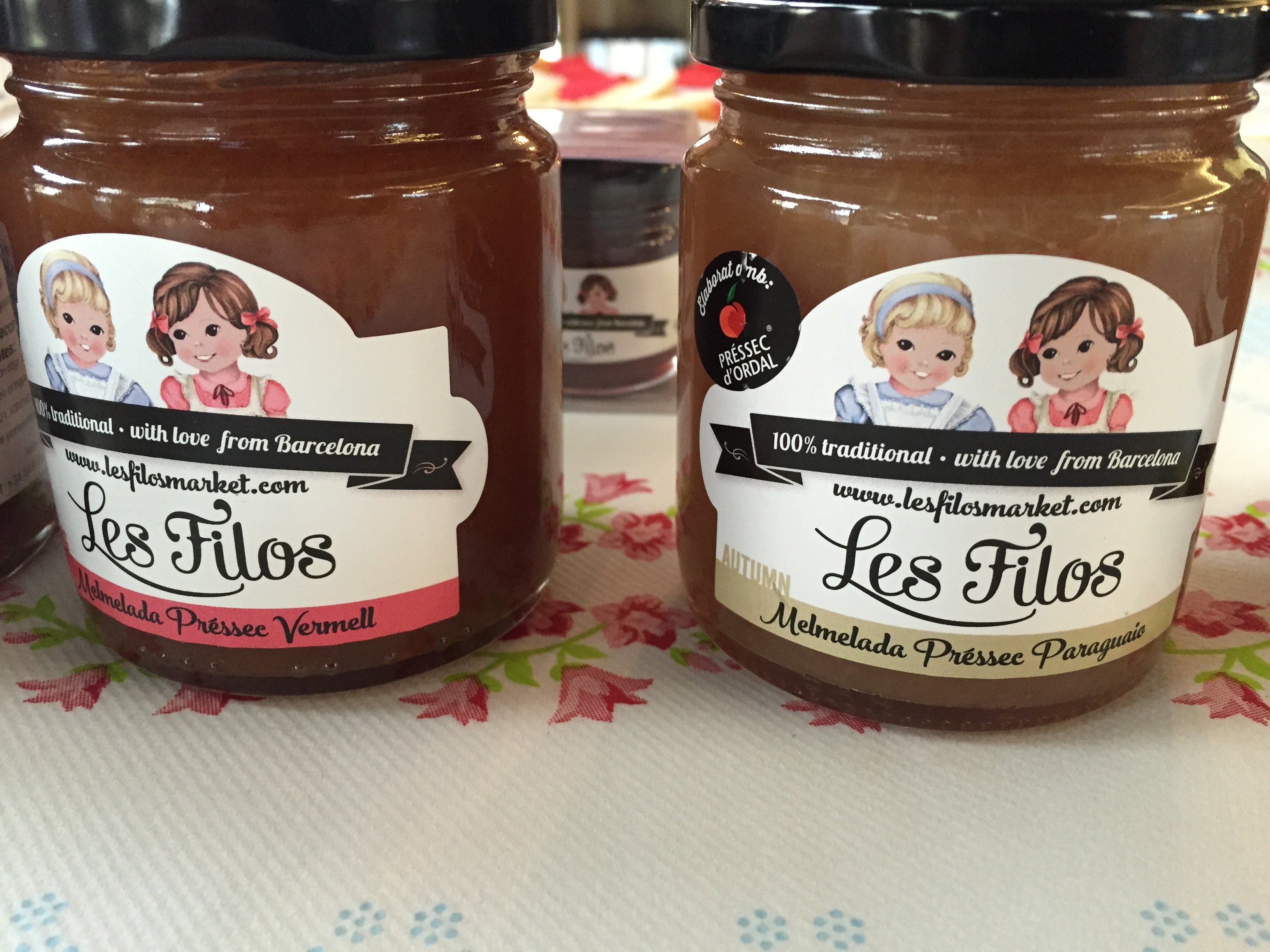
Back upstairs, we were greeted by a table set with jams/jellies and cheese (always good to add to your picnic basket) and Ipad video about Les Filos. The small business created by two sisters who took the peaches their family grows and created a jam company. I passed on the tasting (not a peach fan) as they were accompanied by cheeses (which I can’t eat) to bring out the flavor. The rest of the group commented on the good flavor combinations and how the cheese paired well with the samples.
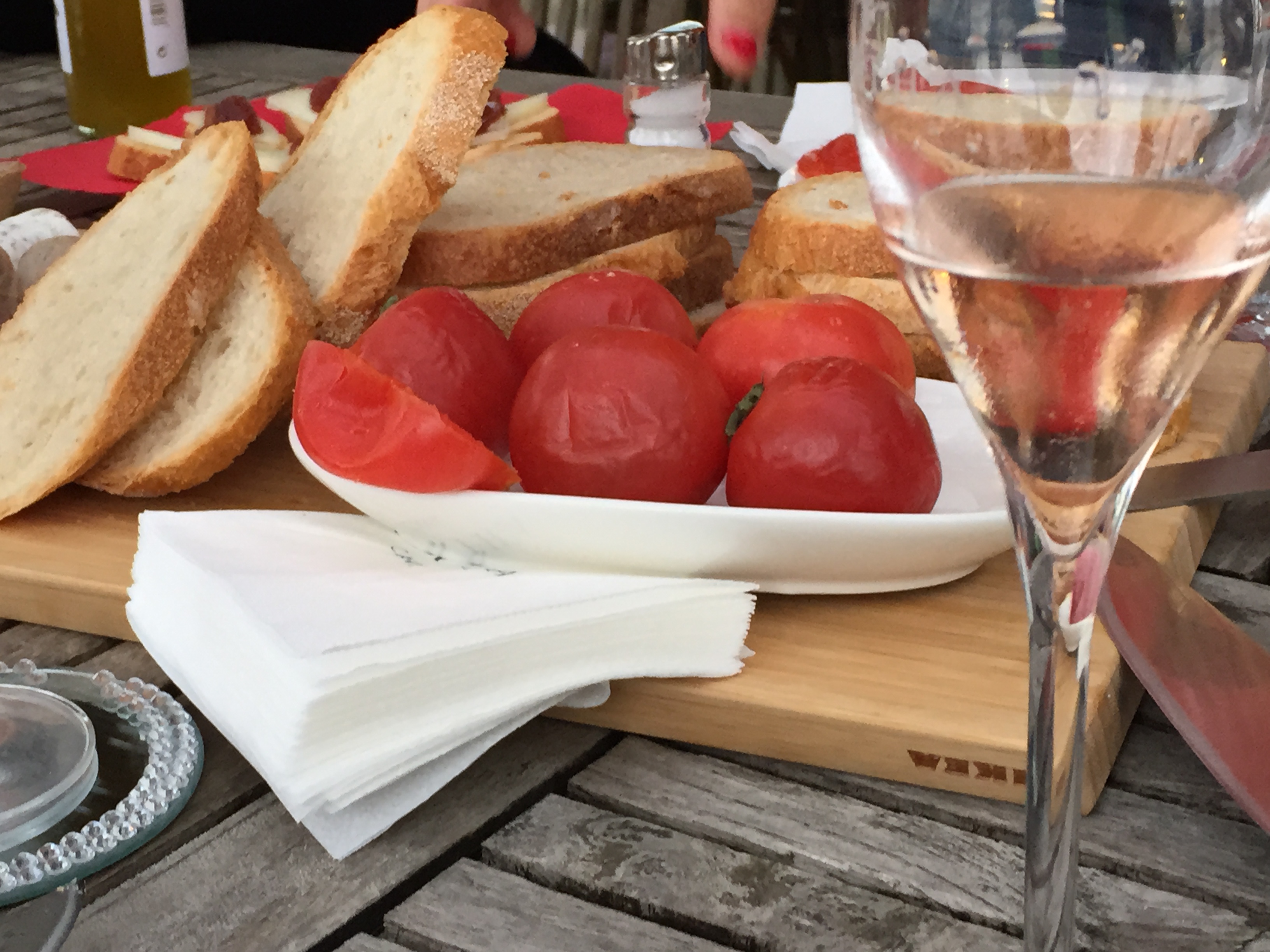
We then proceeded to the outdoor table to watch the sunset and for the owner’s wife to make us the famous Spanish tomato bread pan con tomate. She prepared the table and made sure that our visit was extra special. Her passion and enthusiasm for the family business was electric and her smile contagious (she is the marketing guru). Her name isn’t Bertha but she is definitely a star here along with the Cava.
We left with a gift bag containing a bottle of Cava and mini jars of jam. Again, I added this Cava to my MUST list.
Tastings cost €7 per person and need to be booked in advance.
Toasting the Sunset with Cava
Its funny how you can know nothing in the morning and a few hours later feel like a bit of an expert (even if only within your circle of friends). The two tours of Cava (old and new) highlighted the Penedes region, the grapes and the experience. We were full of great Cava, fun memories and onward to our group dinner (there would be even more Cava!). No one was drunk despite the quantity consumed (I think because we kept an even level of Cava in our system throughout the day) but we did laugh a lot.
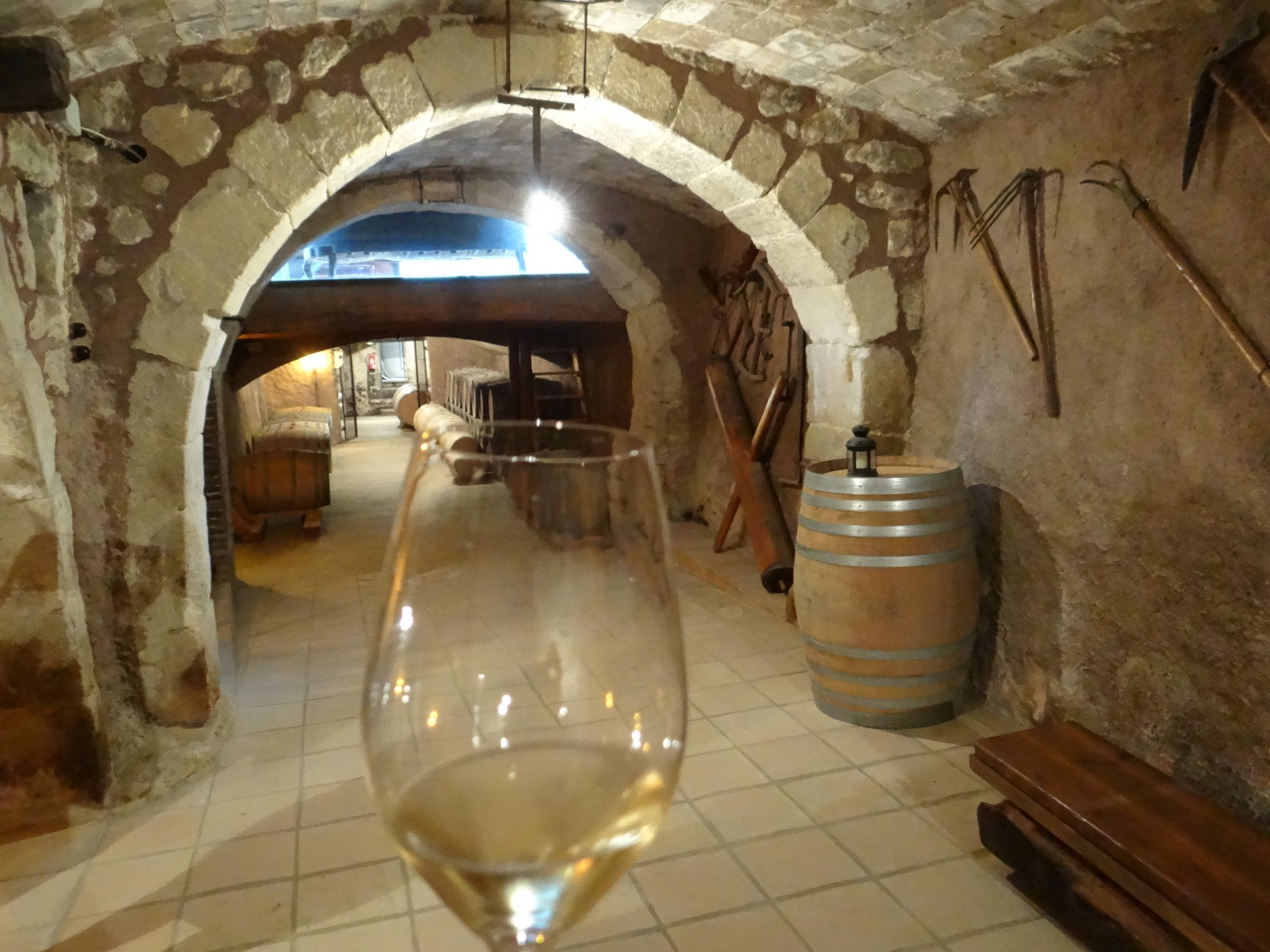
That’s the fun of the Cava – easy to drink, great memories and laughter all around. It doesn’t get better than that. So don’t wait on a special occasion to enjoy a bit of sparkling wine this summer – go find a bottle of Cava, pack a picnic and go enjoy the sunset wherever you may be (if you are in Philly, sadly you will need to drive to New Jersey or Delaware to find Llopart and Bertha to accompany you to the sunset down the shore as Pennsylvania doesn’t sell either label).
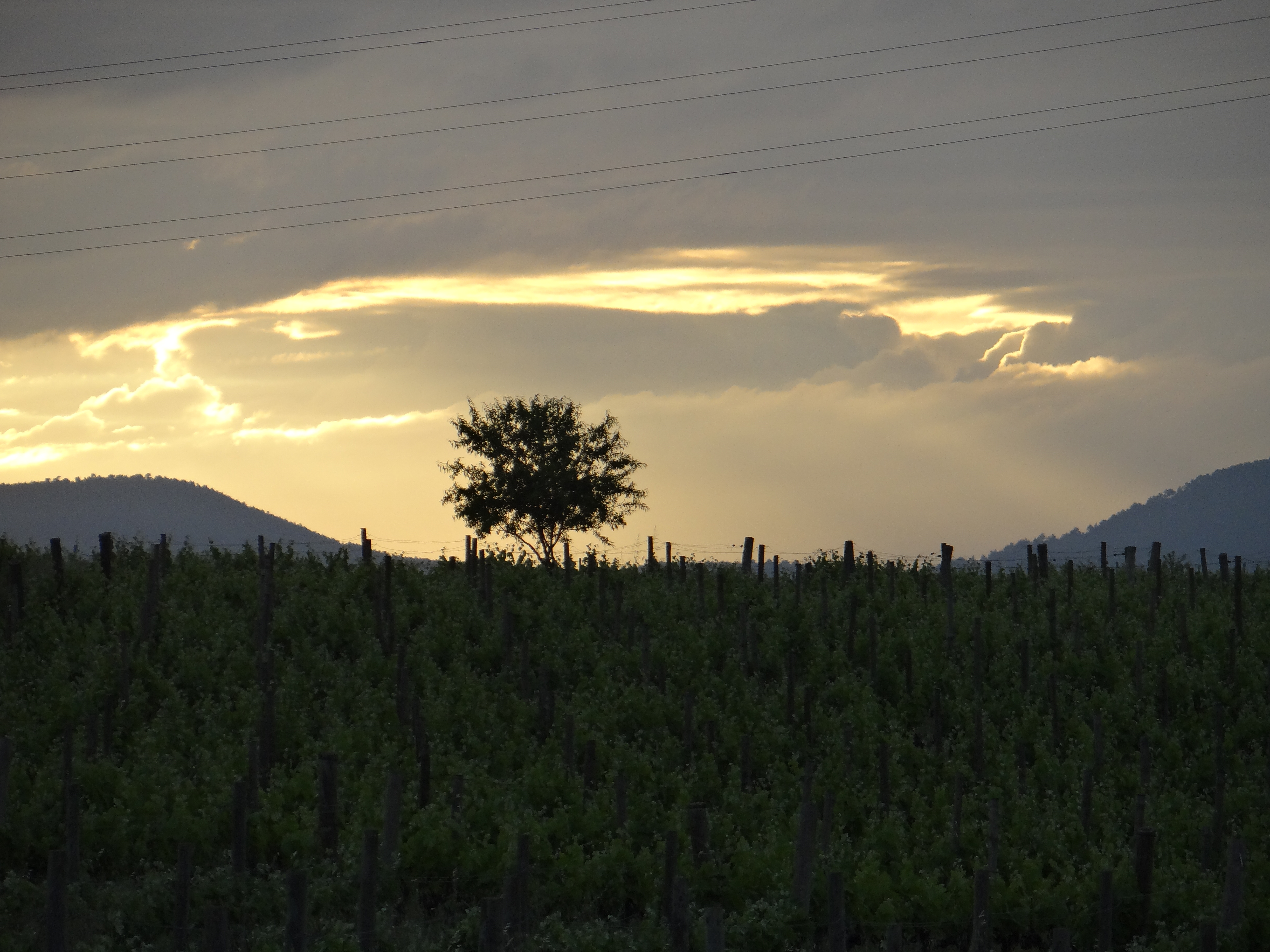
Thank you to Enoturime Penedes, Llopart, Cava Bertha and Barcelona is Much More for hosting me on this wonderful tour to learn about the Penedes region and the family traditions being preserved in the production of cava. As always, even under the influence of cava and pan con tomate, all opinions are mine.
]]>